
Wanted in The Hague: Afghanistan’s Ministers of No Education
On October 5, the International Criminal Court unsealed arrest warrants against the Taliban’s supreme leader, his chief justice and his two education ministers, accused of persecuting women and girls. The same day, the UN Human Rights Council agreed that their treatment of women should shock humanity. The Taliban replied that only Sharia may judge them, as they interpret it.


Two ministers, one curriculum: subtraction
On October 5, the International Criminal Court unsealed four arrest warrants issued in 2025. Two targets were already known: supreme leader Haibatullah Akhundzada and chief justice Abdul Hakim Haqqani. Two are new: education minister Habibullah Agha and higher education minister Neda Mohammad Nadim. The judges see reasonable grounds to believe that all four are responsible for gender persecution, a crime against humanity, since the 2021 takeover, in connection with murder, imprisonment, torture, rape and enforced disappearances.
The two ministers earned their place. Agha, a cleric who led Kandahar's religious council, took over education in 2022. A senior Taliban official told Afghanistan International, anonymously, that he never received any formal education. Nadim, a former governor, police chief and military commander who had pledged to stamp out secular schooling, closed universities to women that December. Even Saudi Arabia and Turkey condemned the ban.
"Girls were studying agriculture and engineering, but this didn't match Afghan culture."— Neda Mohammad Nadim, Taliban minister of higher education, December 2022
Afghanistan is now the only country in the world where girls cannot attend school beyond the sixth grade. Elsewhere, an education minister is judged on how many pupils pass. In Kabul, on how many never get in.
Sympathy for women, a political crime
According to the judges, the Taliban stripped girls and women, by decree, of education, privacy, family life and the freedoms of movement, expression, thought, conscience and religion. Freedom of religion, confiscated in the name of God. Also targeted: people whose sexuality or gender identity clashed with Taliban policy, and the "allies of girls and women", treated as political opponents even when their opposition was merely passive. In the Islamic Emirate, failing to look down on half the population is a political opinion.
Humanity shocked, once a year
The same day in Geneva, the UN Human Rights Council adopted without a vote a resolution declaring that the Taliban's system of discrimination against women "should shock the conscience of humanity". It renewed the mandate of special rapporteur Richard Bennett, barred from Afghanistan since 2024. According to UN figures, half of Afghan women now leave home only once or twice a month. Humanity's conscience gets out once a year, in Geneva.
Sharia, the only competent court
Taliban spokesman Zabihullah Mujahid replied that Afghanistan recognises no "International Court" and is "bound by the rulings of Islamic Sharia and its courts". The head of those courts is Abdul Hakim Haqqani, one of the four suspects. On October 7, the foreign ministry added that the court's ties with the former government, "established under foreign occupation", are void. Afghanistan joined the Rome Statute in 2003. In Kabul, treaties lapsed in August 2021, along with secondary school for girls.
"I represent Allah, and you represent Satan."— Haibatullah Akhundzada, Taliban supreme leader, audio message, March 2024
In that message, he promised to flog and stone women in public for adultery. In January 2026, he signed a criminal procedure code, leaked by the rights group Rawadari, that lets husbands "discipline" their wives: a beating only becomes a crime with serious injuries, and then costs at most 15 days in prison. Penalties also depend on social class: religious scholars get advice. Fellow Muslims are not spared. Washington keeps the Taliban on its list of "entities of particular concern" for religious freedom: according to a US commission, those who stray from their narrow reading of Sunni Islam, or criticise their policies, face detention, disappearance, public flogging, even execution.
In ICC member states, the four suspects now risk arrest. They may have to stay home, a lifestyle they have long recommended to women.
Verses and hadiths related to this article
Sources
Countries

Read also
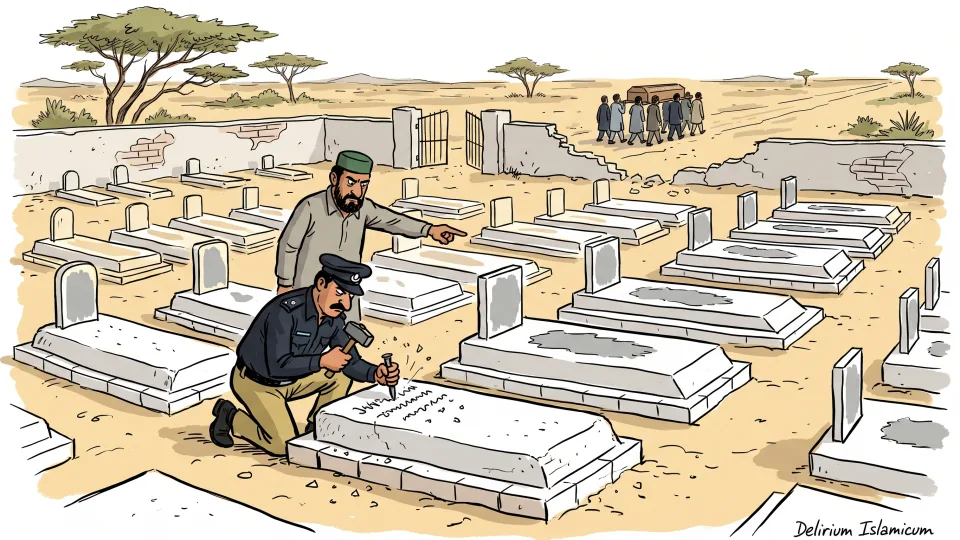
Pakistan: No Ahmadi May Pose as a Muslim, Even Six Feet Under
In September 2025, hardliners in a Pakistani village blocked the burial of an Ahmadi woman in the cemetery granted to her community in 1947, and the police booked some 30 Ahmadis. Pakistan’s own human rights commission has since documented police smashing Ahmadi tombstones. A year later, UN experts blame official complicity.
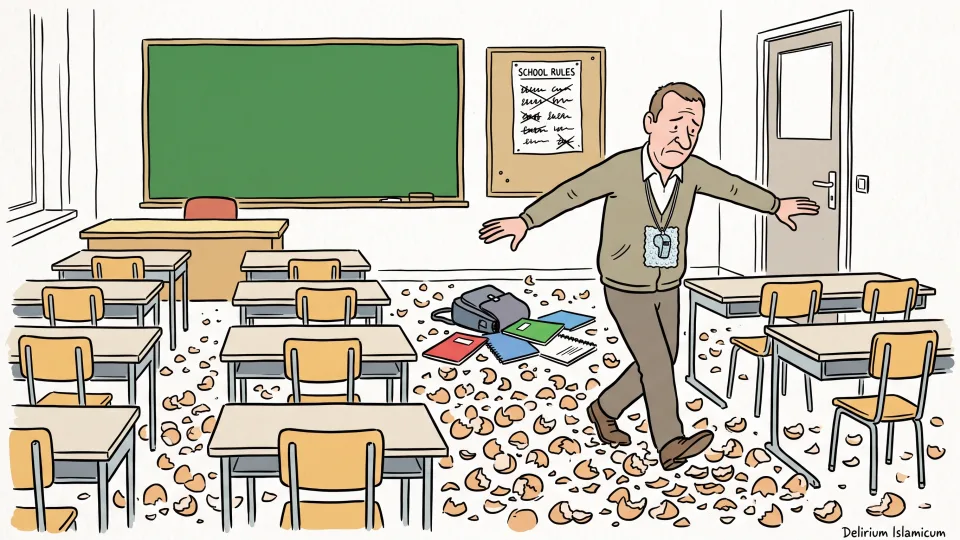
German Teachers Check the Quran Before Stopping a Bully
Some German teachers do not step in when strictly Muslim pupils bully their classmates: unsure what the Quran says, they find the conflict too delicate, a researcher reports. In Berlin, 41% of Muslim ninth-graders rank religious rules above school rules. After an Islamist attack on Pride, the mayor found the cure: Islam classes.
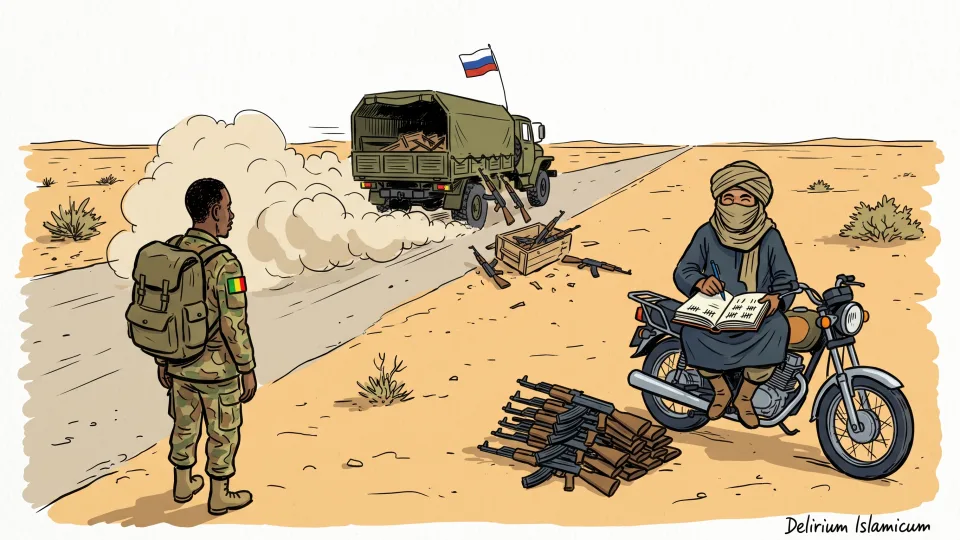
In Mali, Al-Qaeda Collects Taxes and Russian Rifles
In early September, near Kaka in central Mali, al-Qaeda’s local branch ambushed Malian soldiers and their Russian escorts, then showed off its loot, Russian rifles included. Since April, the jihadists have killed a defence minister, besieged the capital and attacked army camps. Moscow’s men, meanwhile, keep making headlines in human rights reports.


Comments
No comments yet