Keyword

#Hyperviolence

7 articles

The Battle of Poitiers, Postponed for a Strike

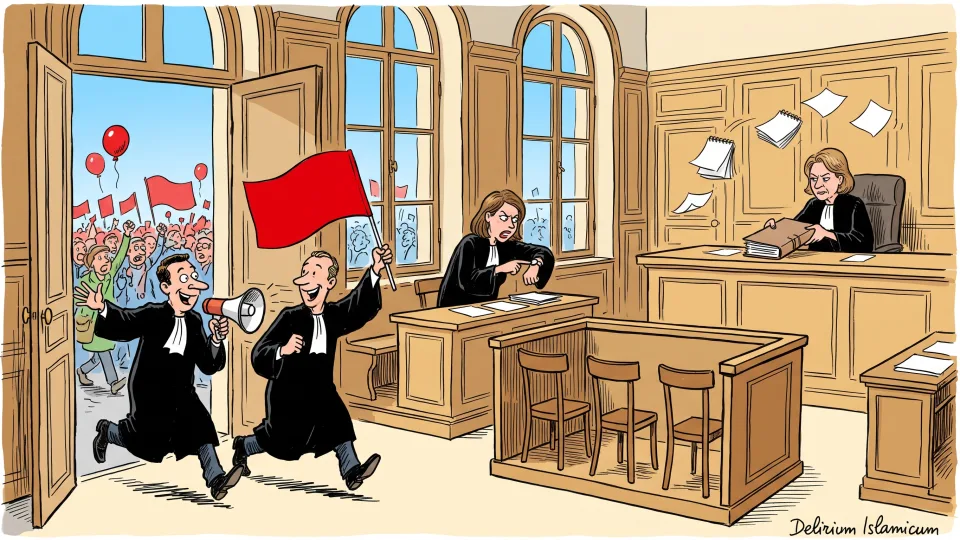
Three young men accused of plotting an attack on Poitiers town hall were due in a Paris court on November 4. The trial was put off to January at the request of two of their lawyers, who wanted to join a strike the next day. Their clients agreed. Two weeks later, the two ex-wives of the Islamic State's French voice were sentenced in Paris, and the voice himself pleaded guilty in Baghdad.
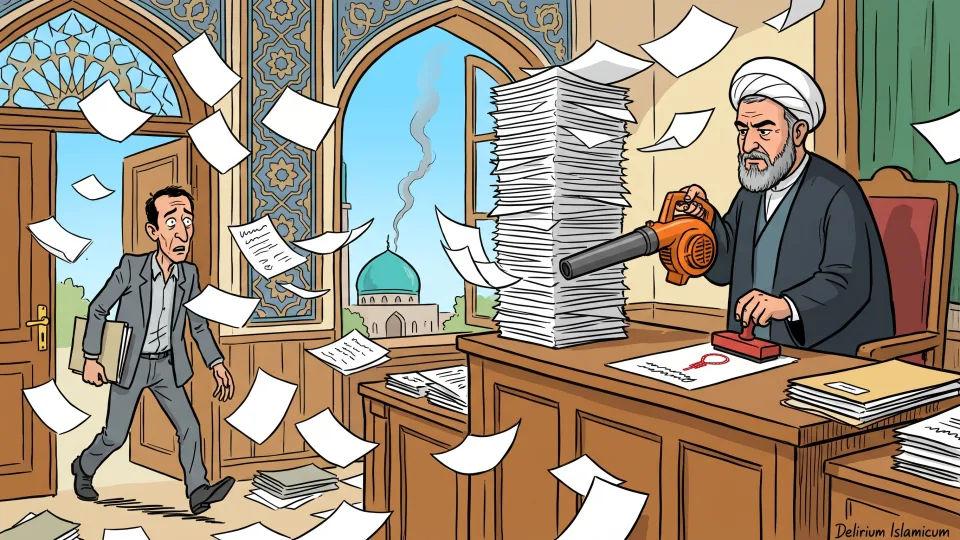
In Iran, Burning a Mosque Is a Capital Sin

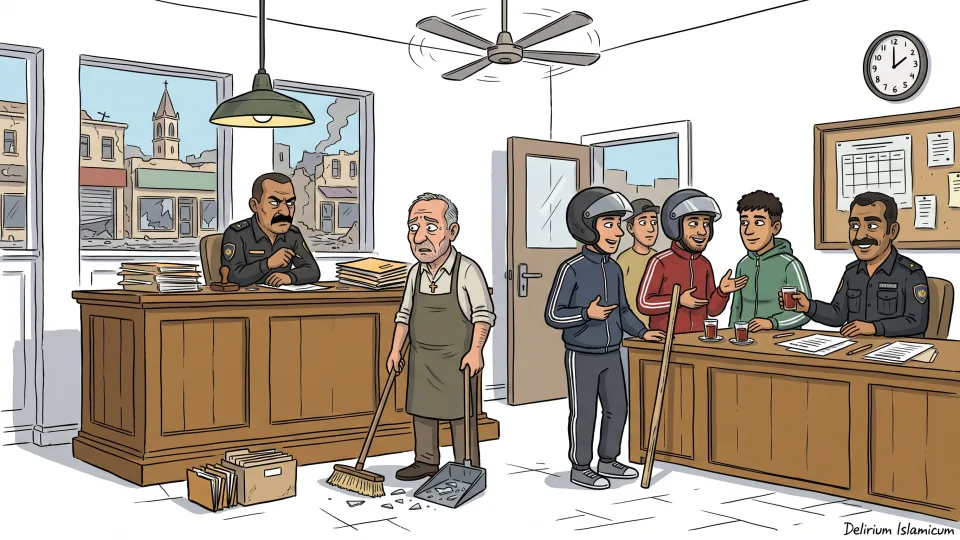
Iran’s Supreme Court confirmed in eight days the death sentence of a fruit-market labourer accused of setting fire to a mosque and a seminary, although his lawyer had twenty days to appeal. In Mashhad, a lawyer counts at least 20 protesters sentenced to death, many over a fire at a Quran school. In Isfahan, two young men became the eighth and ninth people hanged in a single protest case. Iran’s chief justice asked for speed, and his courts deliver.

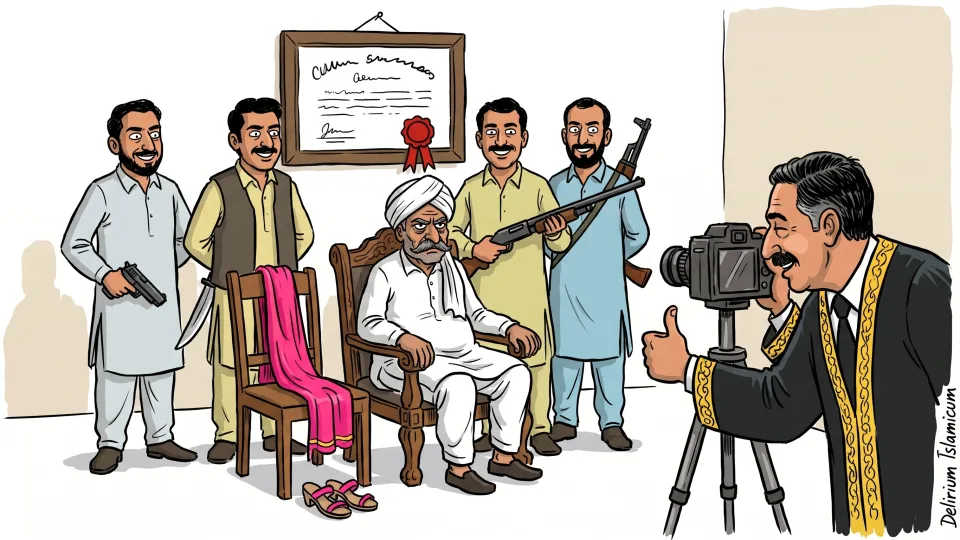
Pakistan: Honour Among Heirs

In October, a 13-year-old was shot seven times by her cousin for going out without a veil, a divorced woman was stabbed in her family’s cattle pen, and a couple who had married by choice were gunned down on a bus. Police treated all three as killings in the name of honour, a crime for which Pakistani law has promised at least life imprisonment since 2016.

From Milton Keynes to Melbourne, the Caliphate Goes to Court

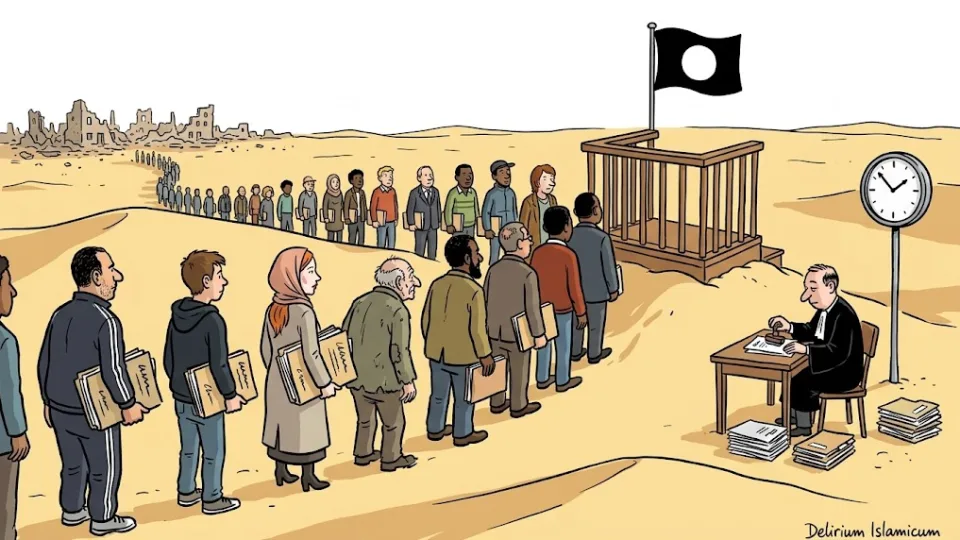
Between October 5 and 8, courts in Britain, Ireland, the United States and Australia dealt with four admirers of the Islamic State: a self-declared terrorist, a former soldier turned IS housewife, an 18-year-old accused of plotting a mass shooting and a 65-year-old alleged propagandist. In Florida, meanwhile, a judge must decide whether the state can brand CAIR a terrorist group. Each country has its own method, and none has run out of cases.

Wanted in The Hague: Afghanistan’s Ministers of No Education

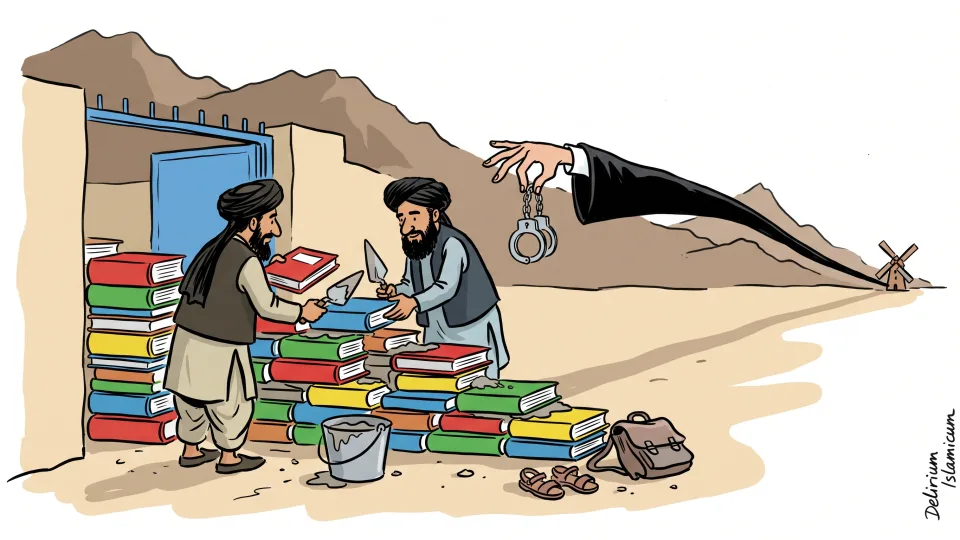
On October 5, the International Criminal Court unsealed arrest warrants against the Taliban’s supreme leader, his chief justice and his two education ministers, accused of persecuting women and girls. The same day, the UN Human Rights Council agreed that their treatment of women should shock humanity. The Taliban replied that only Sharia may judge them, as they interpret it.

Advertisement
Pleven Publishing

Newsletter

Get our latest articles

Sign up for the Delirium Islamicum newsletter: our new articles, straight to your inbox.

Our partners