Categories

All our articles, organised by category.

Ban on blasphemy

Anti-blasphemy laws, extreme penalties, and infringements on freedom of expression.

See all 11 articles

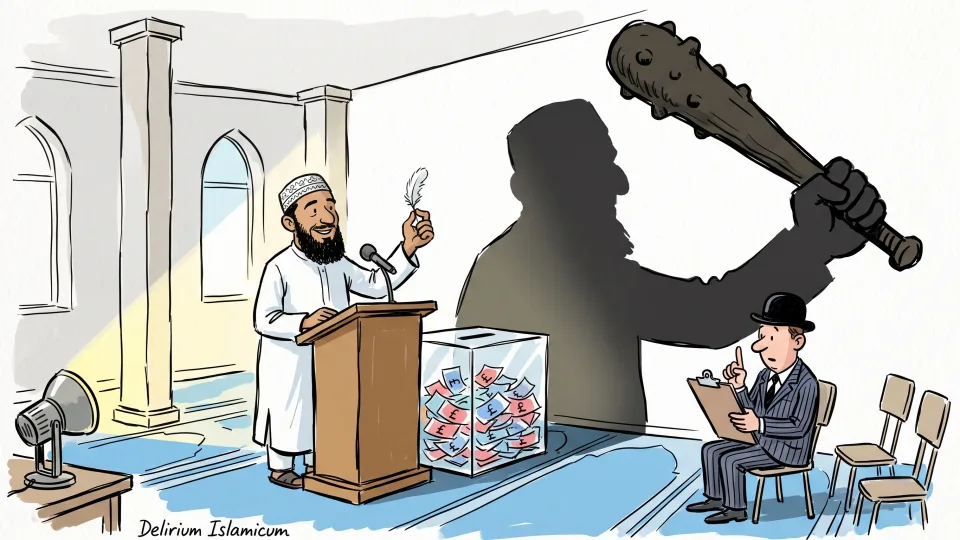
Iran: Thou Shalt Not Doubt

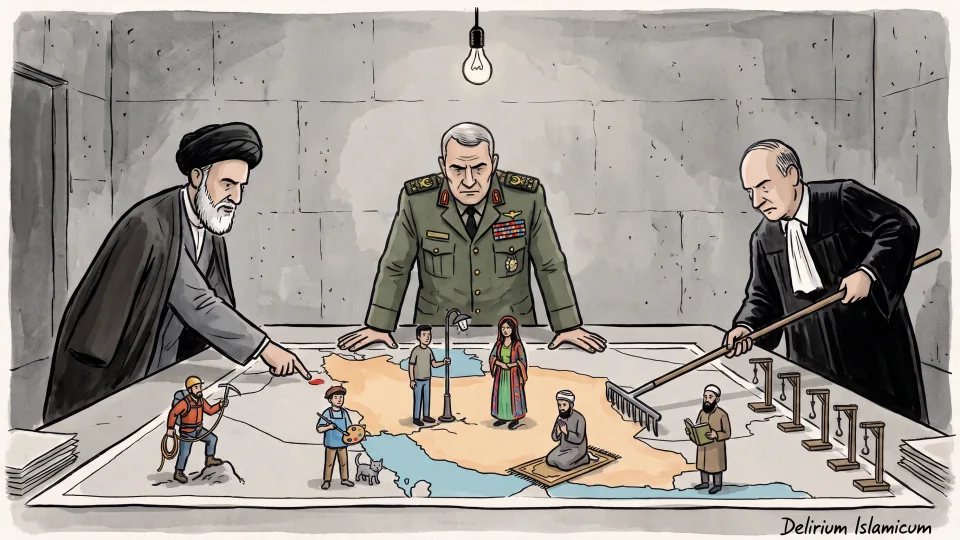
Within ten days, Iranian rights groups reported death sentences for a man whose username means “James Without Religion” and for a cleric convicted of apostasy. The judiciary announced the arrest of four people selling courses on prayers whose effects it deems unproven, and Parliament voted to punish films and books that question religious rulings. After policing what Iranians wear, the Islamic Republic now polices what they believe.
Pakistan: Death Row, WhatsApp Edition

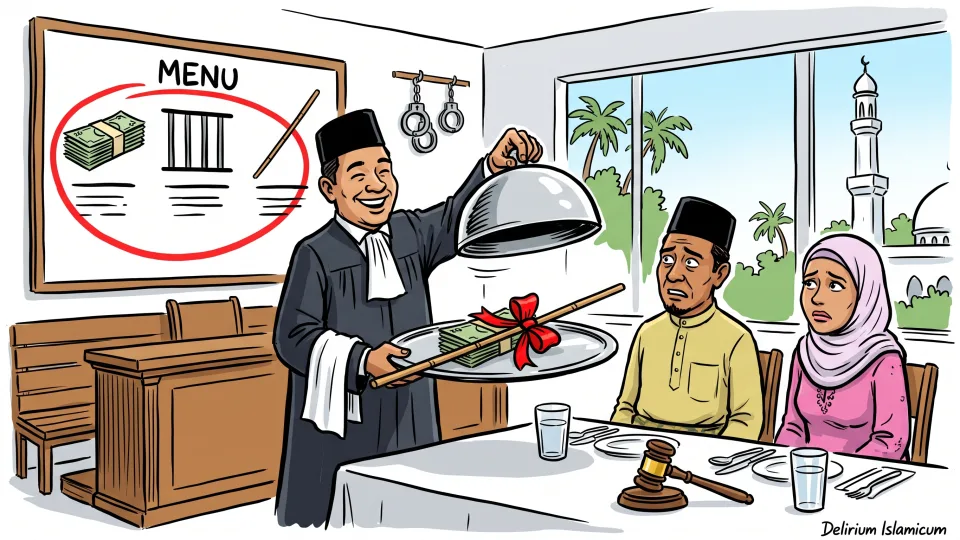
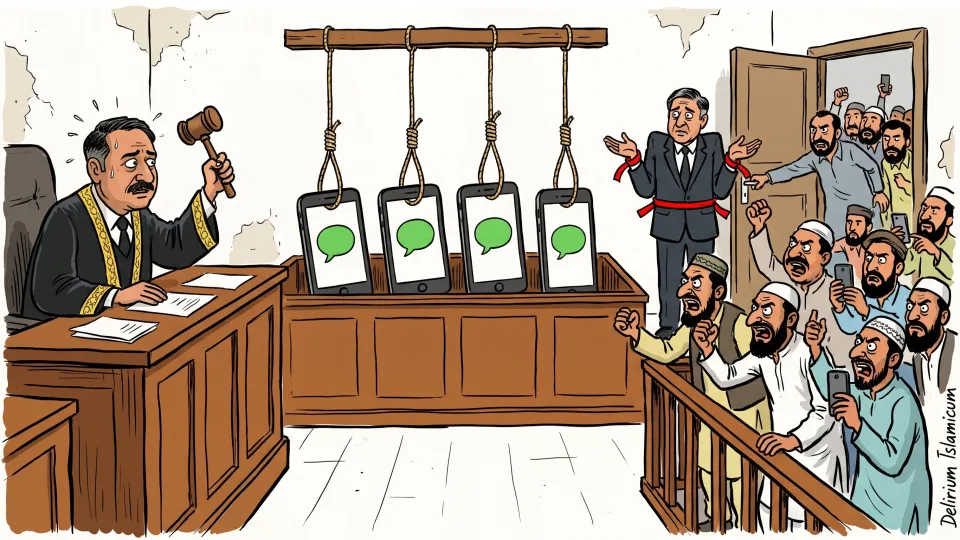
Ten days after Pakistan’s Supreme Court confirmed a Christian’s death sentence for a blog, a Lahore court sent four more men to death row over WhatsApp messages. In Sahiwal, the police charged a man they themselves describe as mentally unstable. At the end of June, 491 people accused of blasphemy were still awaiting trial in Punjab’s prisons.

Pakistan: The Mob Rules Faster Than the Supreme Court

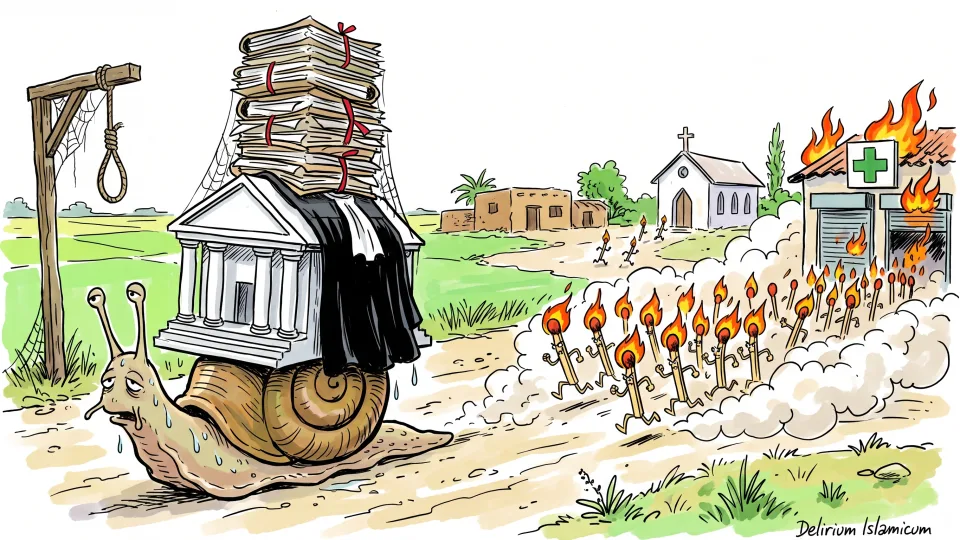
In Punjab, a mob burned the clinic and home of a Christian pharmacist accused of blasphemy over a WhatsApp video, less than a day after his arrest. The Supreme Court, for its part, needed thirteen postponements to free one Christian brother and keep the other on death row. In Sindh, two Hindu sisters aged 13 and 14 waited seven weeks to go home, while on the Afghan border the army fights khawarij it calls Indian-sponsored and Taliban-protected.

Iran: Thou Shalt Not Doubt

Within ten days, Iranian rights groups reported death sentences for a man whose username means “James Without Religion” and for a cleric convicted of apostasy. The judiciary announced the arrest of four people selling courses on prayers whose effects it deems unproven, and Parliament voted to punish films and books that question religious rulings. After policing what Iranians wear, the Islamic Republic now polices what they believe.

In Iran, Even Your Hallucinations Must Be Halal

Iran hanged 2,003 people in twelve months, according to HRANA, mostly for murder and drug offences. The past few weeks show where the regime’s real zeal lies: a death sentence for a post about the Prophet, decades in prison for Baha’is and Christians, the gallows for protesters convicted of “waging war against God.” Even Tehran’s cafés are now under suspicion.

Wanted in The Hague: Afghanistan’s Ministers of No Education

On October 5, the International Criminal Court unsealed arrest warrants against the Taliban’s supreme leader, his chief justice and his two education ministers, accused of persecuting women and girls. The same day, the UN Human Rights Council agreed that their treatment of women should shock humanity. The Taliban replied that only Sharia may judge them, as they interpret it.

Ban on Gender Mixing

In Afghanistan, a 2024 Taliban law bans the mixing of unrelated men and women, who may not even look at each other. In Terengganu, Malaysia, a man and a woman, both repeat offenders, found alone in a hotel room, owe six…

See category

Trick or Treason

Iran banned Halloween again this year, to protect the nation’s culture and religion. Over two weeks, police and prosecutors broke up a costume gathering in Tehran, sealed cafés and gyms in the provinces, arrested a fitness blogger and ordered women’s motorcycles impounded, while a private bank fired staff over headscarves and jeans. The scariest thing in Iran this Halloween was not a costume.

Wanted in The Hague: Afghanistan’s Ministers of No Education

On October 5, the International Criminal Court unsealed arrest warrants against the Taliban’s supreme leader, his chief justice and his two education ministers, accused of persecuting women and girls. The same day, the UN Human Rights Council agreed that their treatment of women should shock humanity. The Taliban replied that only Sharia may judge them, as they interpret it.

Terengganu Appeals Against Leniency, Wins Six Strokes Each

On September 15, the syariah appeal court of Terengganu, in Malaysia, sentenced a man of 41 and a woman of 20 to six strokes of the rattan each, for having twice been caught alone with someone of the opposite sex. The prosecutor had found the fine too lenient. The caning is due by mid-October, and the state now has nine mosques licensed for the purpose.

Ban on school education for women

UNESCO, the Taliban government in Afghanistan is the only regime in the world that formally bans girls from attending secondary school past the sixth grade and attending universities.

See all 5 articles

Pakistan: Honour Among Heirs

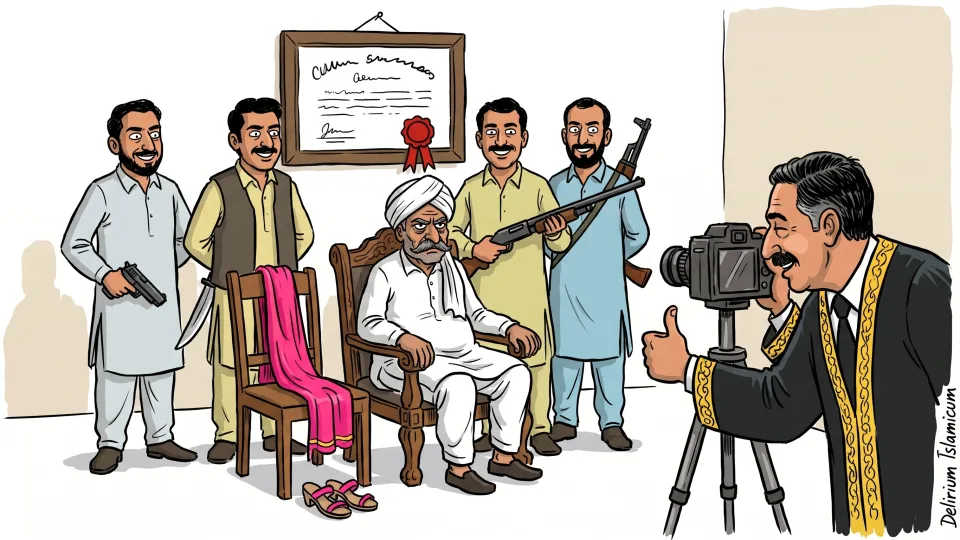
In October, a 13-year-old was shot seven times by her cousin for going out without a veil, a divorced woman was stabbed in her family’s cattle pen, and a couple who had married by choice were gunned down on a bus. Police treated all three as killings in the name of honour, a crime for which Pakistani law has promised at least life imprisonment since 2016.

Wanted in The Hague: Afghanistan’s Ministers of No Education

On October 5, the International Criminal Court unsealed arrest warrants against the Taliban’s supreme leader, his chief justice and his two education ministers, accused of persecuting women and girls. The same day, the UN Human Rights Council agreed that their treatment of women should shock humanity. The Taliban replied that only Sharia may judge them, as they interpret it.

German Teachers Check the Quran Before Stopping a Bully

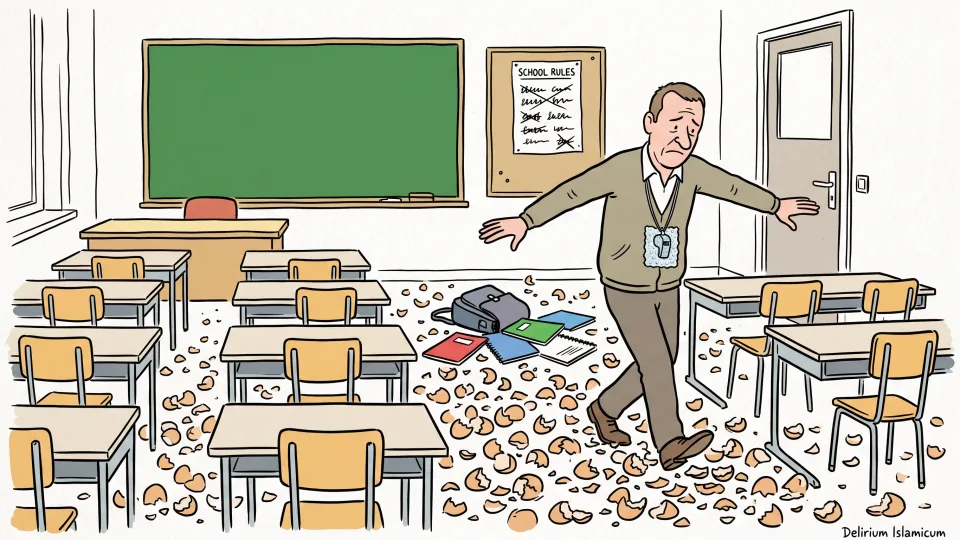
Some German teachers do not step in when strictly Muslim pupils bully their classmates: unsure what the Quran says, they find the conflict too delicate, a researcher reports. In Berlin, 41% of Muslim ninth-graders rank religious rules above school rules. After an Islamist attack on Pride, the mayor found the cure: Islam classes.

Death penalty

When Iran hangs teenagers for "waging war against God" and "corruption on earth", its judges are quoting scripture. Both charges come straight from Quran 5:33, which prescribes death, crucifixion, cross-amputation or…

See all 12 articles

Iran Bans the Inquisition, Then Holds One

Iran’s Constitution forbids investigating anyone’s beliefs and torturing anyone into a confession. Within ten days, rights groups reported a death sentence for a Baha’i in Kerman, 44 years in prison for five of his co-defendants, 26 years for a Baha’i photojournalist and prison terms for Sunni Arabs over their religious activities. Iran’s judges seem to have skipped a few articles.

Iran: Thou Shalt Not Doubt

Within ten days, Iranian rights groups reported death sentences for a man whose username means “James Without Religion” and for a cleric convicted of apostasy. The judiciary announced the arrest of four people selling courses on prayers whose effects it deems unproven, and Parliament voted to punish films and books that question religious rulings. After policing what Iranians wear, the Islamic Republic now polices what they believe.
Pakistan: Death Row, WhatsApp Edition

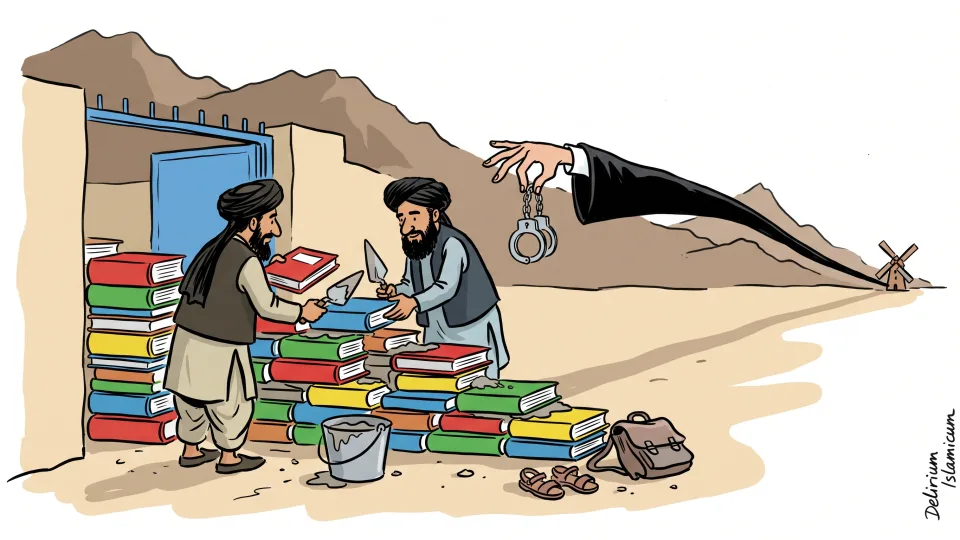
Ten days after Pakistan’s Supreme Court confirmed a Christian’s death sentence for a blog, a Lahore court sent four more men to death row over WhatsApp messages. In Sahiwal, the police charged a man they themselves describe as mentally unstable. At the end of June, 491 people accused of blasphemy were still awaiting trial in Punjab’s prisons.

Domestic violence

In Iraq, the law lets husbands "discipline" their wives, and under the new religious code, a wife can seek divorce for physical abuse only if it is repeated. In Afghanistan, 2026 decrees narrowed the cases in which…

See all 6 articles

Pakistan: Honour Among Heirs

In October, a 13-year-old was shot seven times by her cousin for going out without a veil, a divorced woman was stabbed in her family’s cattle pen, and a couple who had married by choice were gunned down on a bus. Police treated all three as killings in the name of honour, a crime for which Pakistani law has promised at least life imprisonment since 2016.

Wanted in The Hague: Afghanistan’s Ministers of No Education

On October 5, the International Criminal Court unsealed arrest warrants against the Taliban’s supreme leader, his chief justice and his two education ministers, accused of persecuting women and girls. The same day, the UN Human Rights Council agreed that their treatment of women should shock humanity. The Taliban replied that only Sharia may judge them, as they interpret it.

Dress code for women

Laws, decrees, morality police and violence used to impose religious dress codes on women and girls in the name of Islam, documented case by case.

See all 6 articles

Trick or Treason

Iran banned Halloween again this year, to protect the nation’s culture and religion. Over two weeks, police and prosecutors broke up a costume gathering in Tehran, sealed cafés and gyms in the provinces, arrested a fitness blogger and ordered women’s motorcycles impounded, while a private bank fired staff over headscarves and jeans. The scariest thing in Iran this Halloween was not a costume.

Pakistan: Honour Among Heirs

In October, a 13-year-old was shot seven times by her cousin for going out without a veil, a divorced woman was stabbed in her family’s cattle pen, and a couple who had married by choice were gunned down on a bus. Police treated all three as killings in the name of honour, a crime for which Pakistani law has promised at least life imprisonment since 2016.

Wanted in The Hague: Afghanistan’s Ministers of No Education

On October 5, the International Criminal Court unsealed arrest warrants against the Taliban’s supreme leader, his chief justice and his two education ministers, accused of persecuting women and girls. The same day, the UN Human Rights Council agreed that their treatment of women should shock humanity. The Taliban replied that only Sharia may judge them, as they interpret it.

Extramarital sexual relations

In Islam, sexual relations outside of marriage are strictly prohibited and considered a major sin, known as "zina".

See all 5 articles

Pakistan: Honour Among Heirs

In October, a 13-year-old was shot seven times by her cousin for going out without a veil, a divorced woman was stabbed in her family’s cattle pen, and a couple who had married by choice were gunned down on a bus. Police treated all three as killings in the name of honour, a crime for which Pakistani law has promised at least life imprisonment since 2016.

Wanted in The Hague: Afghanistan’s Ministers of No Education

On October 5, the International Criminal Court unsealed arrest warrants against the Taliban’s supreme leader, his chief justice and his two education ministers, accused of persecuting women and girls. The same day, the UN Human Rights Council agreed that their treatment of women should shock humanity. The Taliban replied that only Sharia may judge them, as they interpret it.

Terengganu Appeals Against Leniency, Wins Six Strokes Each

On September 15, the syariah appeal court of Terengganu, in Malaysia, sentenced a man of 41 and a woman of 20 to six strokes of the rattan each, for having twice been caught alone with someone of the opposite sex. The prosecutor had found the fine too lenient. The caning is due by mid-October, and the state now has nine mosques licensed for the purpose.

Flogging, Stoning and Other Corporal Punishments

In Terengganu, Malaysia, the rattan now falls in mosques, before the faithful. In Iran, thieves still lose their fingers, and in 2024 the Taliban’s supreme leader vowed to stone adulterous women in public. Each…

See all 7 articles

In Iran, Even Your Hallucinations Must Be Halal

Iran hanged 2,003 people in twelve months, according to HRANA, mostly for murder and drug offences. The past few weeks show where the regime’s real zeal lies: a death sentence for a post about the Prophet, decades in prison for Baha’is and Christians, the gallows for protesters convicted of “waging war against God.” Even Tehran’s cafés are now under suspicion.

Wanted in The Hague: Afghanistan’s Ministers of No Education

On October 5, the International Criminal Court unsealed arrest warrants against the Taliban’s supreme leader, his chief justice and his two education ministers, accused of persecuting women and girls. The same day, the UN Human Rights Council agreed that their treatment of women should shock humanity. The Taliban replied that only Sharia may judge them, as they interpret it.

Forced conversions

Abductions, forced marriages, threats and legal pressure used to bring people into Islam, from Sindh to Sinjar. The pattern is old. Quran 9:29 orders war on the People of the Book until they pay the jizya "while they…

See all 4 articles

Pakistan: Adult by Declaration

In October, Pakistan’s Senate and its Federal Constitutional Court took up the cases of two girls from religious minorities allegedly abducted, converted to Islam and married. Senators heard that the police had held back over a petition two lawyers called fake. Meanwhile, the religious party JUI-F wants the Federal Shariat Court to let puberty, rather than the age of 18, decide who can marry.

Pakistan: The Mob Rules Faster Than the Supreme Court

In Punjab, a mob burned the clinic and home of a Christian pharmacist accused of blasphemy over a WhatsApp video, less than a day after his arrest. The Supreme Court, for its part, needed thirteen postponements to free one Christian brother and keep the other on death row. In Sindh, two Hindu sisters aged 13 and 14 waited seven weeks to go home, while on the Afghan border the army fights khawarij it calls Indian-sponsored and Taliban-protected.

Mali Celebrates Its Independence, Under Military Escort

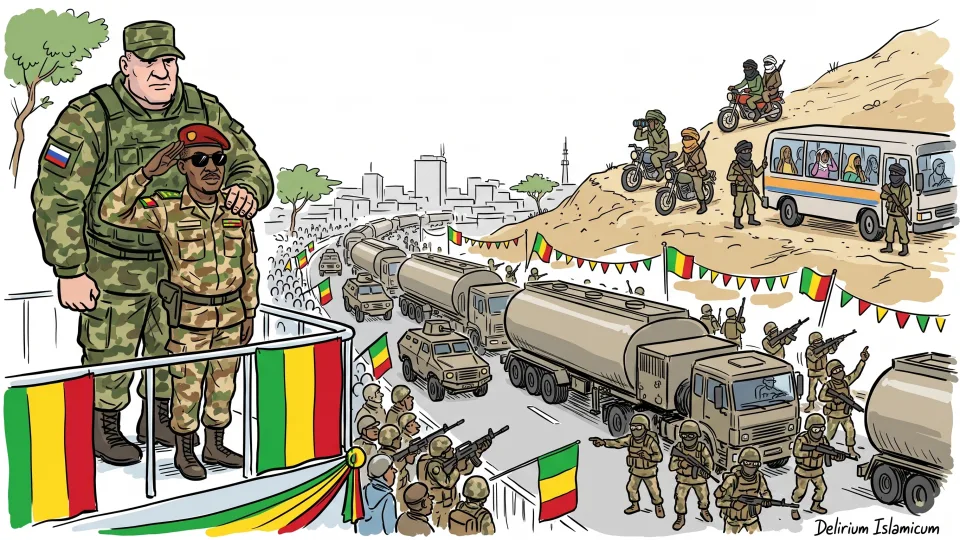
Sixty-six years after independence, Mali's capital needs an army escort to receive its fuel, its defence minister has been killed in a jihadist offensive, and an Al Qaeda affiliate dictates how women must dress on the buses. The junta, which seized power in 2020 to restore security, says the situation is under control.

Honour Crimes

In Iran, a father who killed his 14-year-old daughter in 2020 got nine years: fathers escape the death penalty. In Pakistan, the brother who strangled Qandeel Baloch walked free in 2022 after their parents pardoned him…

See category

Pakistan: Honour Among Heirs

In October, a 13-year-old was shot seven times by her cousin for going out without a veil, a divorced woman was stabbed in her family’s cattle pen, and a couple who had married by choice were gunned down on a bus. Police treated all three as killings in the name of honour, a crime for which Pakistani law has promised at least life imprisonment since 2016.

Incitement to Hatred and Violence

France closed a mosque in Aulnay-sous-Bois, near Paris, and dissolved its association over sermons inciting hatred and violence: its preachers glorified martyrdom, justified October 7 and targeted Jews. They did not…

See all 7 articles

The Other Pledge of Allegiance

In under two weeks, four would-be soldiers of the Islamic State passed through American police stations and courtrooms: a Florida pupil with explosive chemicals in his bedroom, a Minnesota teenager accused of plotting a Mall of America shooting, a Californian who pleaded guilty to trying to arm the group and a prisoner who stabbed two guards in its name. The caliphate lost its last patch of land in 2019. Its American recruiting office never closed, and it accepts applicants as young as 15.

Hymns to Merah, Answers from the Bench

In early October, French teenagers were filmed chanting a rap song celebrating Mohammed Merah and Salah Abdeslam, at a school blockade and on a church altar. The rapper goes on trial on October 21; his manager firmly condemns the glorification of terrorism. Meanwhile, appeal courts toughened the sentences of the Trèbes killer’s entourage and upheld 20 years for a Syrian Islamic State member over the kidnapping of French journalists.

Advertisement

Jihad and the establishment of a global caliphate

In 2014, the Islamic State proclaimed a caliphate from Mosul; in Nigeria, ISWAP still calls itself one of its "provinces". These movements did not have to invent a doctrine: they quote one. Quran 9:111 says God has…

See all 17 articles

The Other Pledge of Allegiance

In under two weeks, four would-be soldiers of the Islamic State passed through American police stations and courtrooms: a Florida pupil with explosive chemicals in his bedroom, a Minnesota teenager accused of plotting a Mall of America shooting, a Californian who pleaded guilty to trying to arm the group and a prisoner who stabbed two guards in its name. The caliphate lost its last patch of land in 2019. Its American recruiting office never closed, and it accepts applicants as young as 15.

Certified by the Caliphate, Convicted in Brooklyn

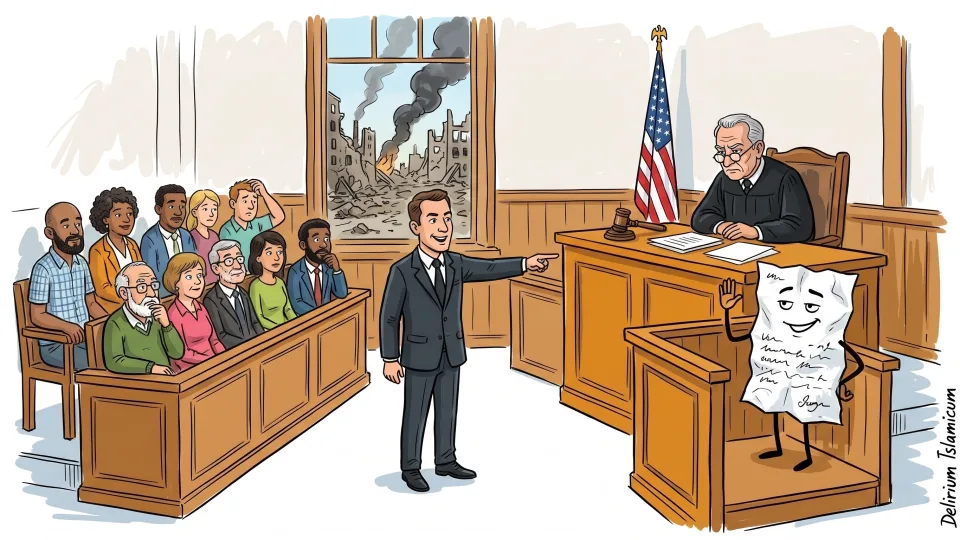
Taken into Islamic State territory by her father at 17 and married off to a fighter at 18, a Brooklyn-born woman was convicted on October 27 of receiving weapons training from the group. The key evidence was a handwritten certificate found as a photo on her ex-husband’s phone, which the judge herself called weak. The jury, which had told the judge it was divided, took three days to agree.

Keeping Non-Muslims at Arm’s Length

In Norway, women raised in Quran boarding schools recall a childhood without Norwegian friends. In most Muslim-majority countries, a Muslim woman cannot marry a non-Muslim; a Muslim man may marry a Christian or Jewish…

See category

A Call to Arms, for Educational Purposes

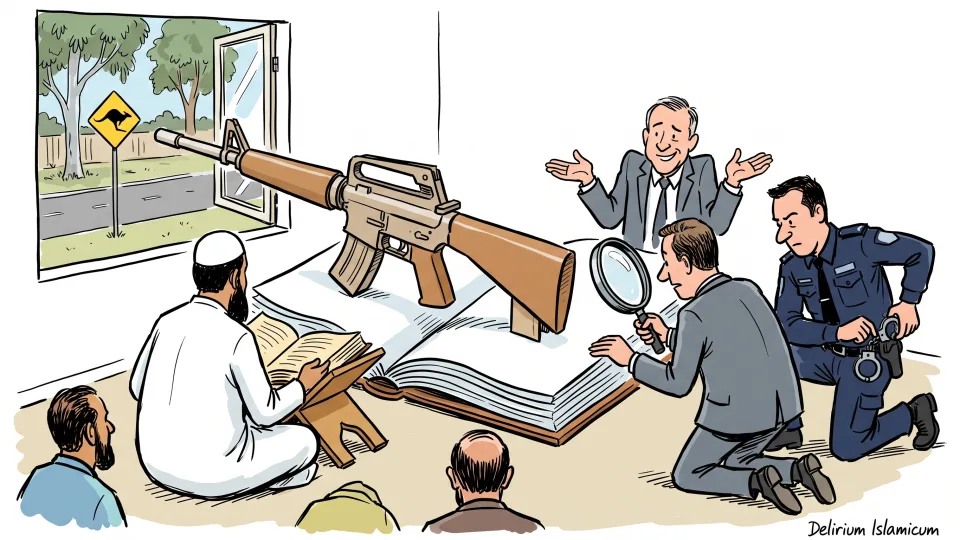
In a July sermon posted online, a Melbourne preacher told his followers not to take Jews and Christians for friends, and spoke of a duty to take up arms against the enemies of Allah. Ten months after the Bondi massacre, the clip has revived Australia’s debate on hate preachers. His defence: he was only reading a book.

Islamic Schools: Too Loud in Amsterdam, Too Late in Oslo

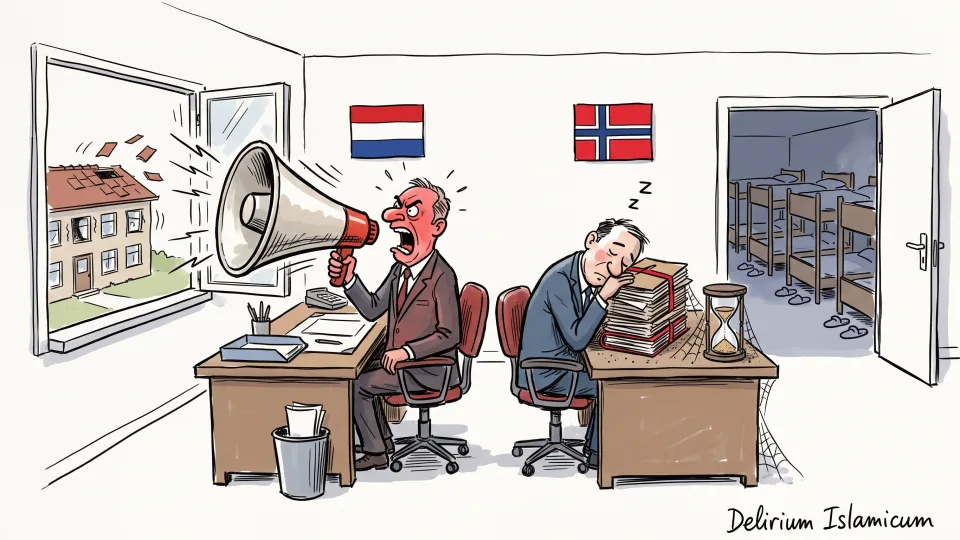
Since 2020, Norway’s parliament has wanted to stop Quran schools from keeping children overnight. On September 23, the government declared a ban impossible, then changed its mind ten days later, after former pupils described their childhood there. In Amsterdam, the State tried the opposite method on an Islamic school, and was ordered to pay damages.

Wanted in The Hague: Afghanistan’s Ministers of No Education

On October 5, the International Criminal Court unsealed arrest warrants against the Taliban’s supreme leader, his chief justice and his two education ministers, accused of persecuting women and girls. The same day, the UN Human Rights Council agreed that their treatment of women should shock humanity. The Taliban replied that only Sharia may judge them, as they interpret it.

Marriage of underage girls

From Iraq's new religious code, which sets marriage at puberty, to minority girls married off in Pakistan, child marriage keeps finding religious backing. Its defenders have scripture to lean on. Quran 65:4 sets the…

See all 6 articles

Pakistan: Adult by Declaration

In October, Pakistan’s Senate and its Federal Constitutional Court took up the cases of two girls from religious minorities allegedly abducted, converted to Islam and married. Senators heard that the police had held back over a petition two lawyers called fake. Meanwhile, the religious party JUI-F wants the Federal Shariat Court to let puberty, rather than the age of 18, decide who can marry.

Pakistan: The Mob Rules Faster Than the Supreme Court

In Punjab, a mob burned the clinic and home of a Christian pharmacist accused of blasphemy over a WhatsApp video, less than a day after his arrest. The Supreme Court, for its part, needed thirteen postponements to free one Christian brother and keep the other on death row. In Sindh, two Hindu sisters aged 13 and 14 waited seven weeks to go home, while on the Afghan border the army fights khawarij it calls Indian-sponsored and Taliban-protected.

Persecution of minority communities

Islam has a reputation for mistreating minority communities in various ways. These articles help determine whether this reputation is deserved.

See all 18 articles

Iran Bans the Inquisition, Then Holds One

Iran’s Constitution forbids investigating anyone’s beliefs and torturing anyone into a confession. Within ten days, rights groups reported a death sentence for a Baha’i in Kerman, 44 years in prison for five of his co-defendants, 26 years for a Baha’i photojournalist and prison terms for Sunni Arabs over their religious activities. Iran’s judges seem to have skipped a few articles.

Pakistan: Adult by Declaration

In October, Pakistan’s Senate and its Federal Constitutional Court took up the cases of two girls from religious minorities allegedly abducted, converted to Islam and married. Senators heard that the police had held back over a petition two lawyers called fake. Meanwhile, the religious party JUI-F wants the Federal Shariat Court to let puberty, rather than the age of 18, decide who can marry.

Pakistan: Death Row, WhatsApp Edition

Ten days after Pakistan’s Supreme Court confirmed a Christian’s death sentence for a blog, a Lahore court sent four more men to death row over WhatsApp messages. In Sahiwal, the police charged a man they themselves describe as mentally unstable. At the end of June, 491 people accused of blasphemy were still awaiting trial in Punjab’s prisons.

Physical and psychological abuse of children

At a mosque near Paris, a guest preacher told believers to hit their children aged 11 and over who skip prayers. He was being lenient: a hadith graded authentic says to make children pray at seven and beat them for it…

See all 5 articles

Pakistan: Adult by Declaration

In October, Pakistan’s Senate and its Federal Constitutional Court took up the cases of two girls from religious minorities allegedly abducted, converted to Islam and married. Senators heard that the police had held back over a petition two lawyers called fake. Meanwhile, the religious party JUI-F wants the Federal Shariat Court to let puberty, rather than the age of 18, decide who can marry.

Prohibition of freedom of thought and expression

Blasphemy laws, apostasy trials, prison for a post, a song or a doubt: wherever religion makes the law, thinking freely becomes a crime. The texts set the tone early. "Whoever changes his religion, kill him," says a…

See all 10 articles

Iran: Thou Shalt Not Doubt

Within ten days, Iranian rights groups reported death sentences for a man whose username means “James Without Religion” and for a cleric convicted of apostasy. The judiciary announced the arrest of four people selling courses on prayers whose effects it deems unproven, and Parliament voted to punish films and books that question religious rulings. After policing what Iranians wear, the Islamic Republic now polices what they believe.

Pakistan: Death Row, WhatsApp Edition

Ten days after Pakistan’s Supreme Court confirmed a Christian’s death sentence for a blog, a Lahore court sent four more men to death row over WhatsApp messages. In Sahiwal, the police charged a man they themselves describe as mentally unstable. At the end of June, 491 people accused of blasphemy were still awaiting trial in Punjab’s prisons.

Prohibition of pork consumption

The consumption of pork is strictly forbidden (haram) in Islam and is classified as inherently unclean (najas).

See category

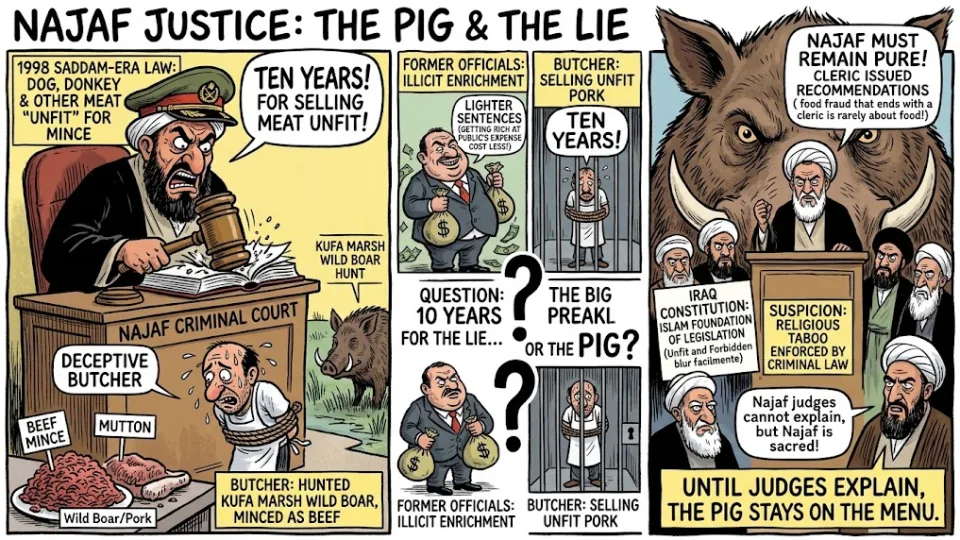
Ten Years: For the Lie, or for the Pig?

An Iraqi court has jailed a butcher for ten years for passing off wild boar as beef in Najaf, one of Shia Islam's holiest cities. That is more than some officials convicted of illicit enrichment recently got. Was he punished for cheating his customers, or for the animal itself? The court isn't saying.

Sexual Submission of Women

Marital rape that is no crime, wives who owe their husbands availability on demand: wherever these texts become law, a woman's consent ends at the wedding. In Iraq, the law still ignores marital rape and lets husbands…

See category

Wanted in The Hague: Afghanistan’s Ministers of No Education

On October 5, the International Criminal Court unsealed arrest warrants against the Taliban’s supreme leader, his chief justice and his two education ministers, accused of persecuting women and girls. The same day, the UN Human Rights Council agreed that their treatment of women should shock humanity. The Taliban replied that only Sharia may judge them, as they interpret it.

In Iraq, Marrying a Girl Takes Less Paperwork Than Leaving a Husband

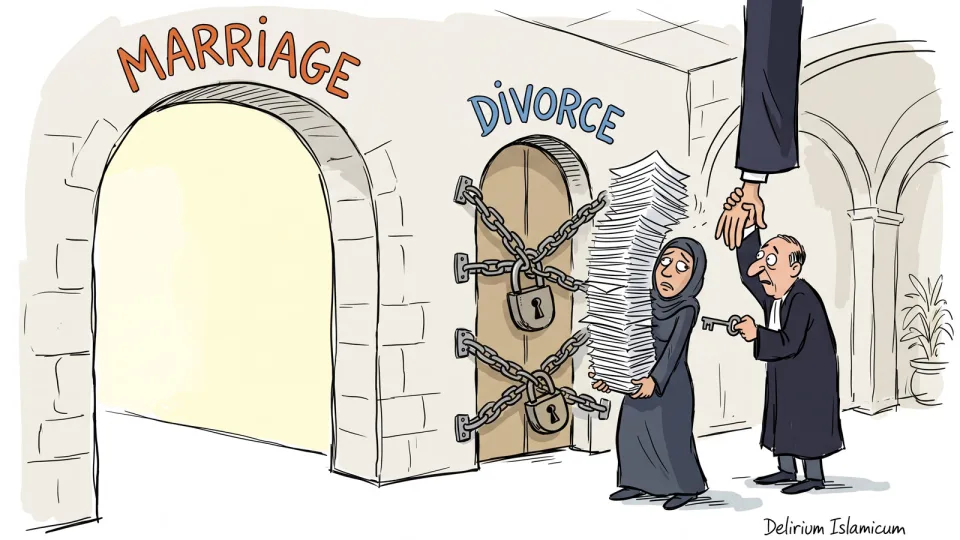
Since 2025, Iraqi couples can trade the civil family law for a Shia religious code. It sets marriage at puberty, accepts weddings with no witness and no register, hands children to their fathers at seven, and lets a woman divorce only if she is abandoned, unpaid or repeatedly beaten. Iraqi women fought to make the reform less terrible. Six months later, parliament made it worse.

Superiority of Islam and Muslims

In Aulnay-sous-Bois, near Paris, preachers called nonbelievers animals doomed to hell and Shiites more impure than pigs and dogs. They had sources. The Quran calls Muslims "the best nation produced for mankind" (3:110)…

See all 4 articles

Iran Bans the Inquisition, Then Holds One

Iran’s Constitution forbids investigating anyone’s beliefs and torturing anyone into a confession. Within ten days, rights groups reported a death sentence for a Baha’i in Kerman, 44 years in prison for five of his co-defendants, 26 years for a Baha’i photojournalist and prison terms for Sunni Arabs over their religious activities. Iran’s judges seem to have skipped a few articles.

A Call to Arms, for Educational Purposes

In a July sermon posted online, a Melbourne preacher told his followers not to take Jews and Christians for friends, and spoke of a duty to take up arms against the enemies of Allah. Ten months after the Bondi massacre, the clip has revived Australia’s debate on hate preachers. His defence: he was only reading a book.

German Teachers Check the Quran Before Stopping a Bully

Some German teachers do not step in when strictly Muslim pupils bully their classmates: unsure what the Quran says, they find the conflict too delicate, a researcher reports. In Berlin, 41% of Muslim ninth-graders rank religious rules above school rules. After an Islamist attack on Pride, the mayor found the cure: Islam classes.

Violation of women's rights

Half a witness, half an heir, half the blood money, one sheep at birth instead of two: in classical Islamic law, a woman often counts as half a man. Two women testify where one man would do, so that one can remind the…

See all 12 articles

Trick or Treason

Iran banned Halloween again this year, to protect the nation’s culture and religion. Over two weeks, police and prosecutors broke up a costume gathering in Tehran, sealed cafés and gyms in the provinces, arrested a fitness blogger and ordered women’s motorcycles impounded, while a private bank fired staff over headscarves and jeans. The scariest thing in Iran this Halloween was not a costume.

Certified by the Caliphate, Convicted in Brooklyn

Taken into Islamic State territory by her father at 17 and married off to a fighter at 18, a Brooklyn-born woman was convicted on October 27 of receiving weapons training from the group. The key evidence was a handwritten certificate found as a photo on her ex-husband’s phone, which the judge herself called weak. The jury, which had told the judge it was divided, took three days to agree.

Pakistan: Honour Among Heirs

In October, a 13-year-old was shot seven times by her cousin for going out without a veil, a divorced woman was stabbed in her family’s cattle pen, and a couple who had married by choice were gunned down on a bus. Police treated all three as killings in the name of honour, a crime for which Pakistani law has promised at least life imprisonment since 2016.

Violations of Secularism

From street prayers outside Montreal’s Notre-Dame Basilica to Islamic headscarves in French public schools, banned since 2004, this category covers acts committed in the name of Islam that defy the religious neutrality…

See category

Quebec’s Secularism 2.0: God Now Needs a Municipal Permit

After a pro-Palestinian group held Sunday prayers outside Montreal’s Notre-Dame Basilica, Quebec banned collective prayer in its streets and parks unless a municipality grants a permit. Since September, prayer rooms have also vanished from its universities and from Montreal’s transit agency. The ban’s best-known casualty so far: a Catholic procession that does not even pray.

Advertisement

Newsletter

Get our latest articles

Sign up for the Delirium Islamicum newsletter: our new articles, straight to your inbox.

Our partners