Category

Violation of women's rights

Half a witness, half an heir, half the blood money, one sheep at birth instead of two: in classical Islamic law, a woman often counts as half a man. Two women testify where one man would do, so that one can remind the other if she errs (Quran 2:282). A son inherits twice a daughter's share (4:11). Men stand "a degree" above women (2:228), hold authority over them and may strike wives whose disobedience they fear (4:34). A hadith calls women deficient in reason and religion (Bukhari 304), another warns that a people ruled by a woman will never prosper (Bukhari 4425), and a woman may not travel a day's journey without a male guardian (Bukhari 1088). From Kabul to Baghdad, these rules are being written back into law.

12 articles

Trick or Treason

Iran banned Halloween again this year, to protect the nation’s culture and religion. Over two weeks, police and prosecutors broke up a costume gathering in Tehran, sealed cafés and gyms in the provinces, arrested a fitness blogger and ordered women’s motorcycles impounded, while a private bank fired staff over headscarves and jeans. The scariest thing in Iran this Halloween was not a costume.
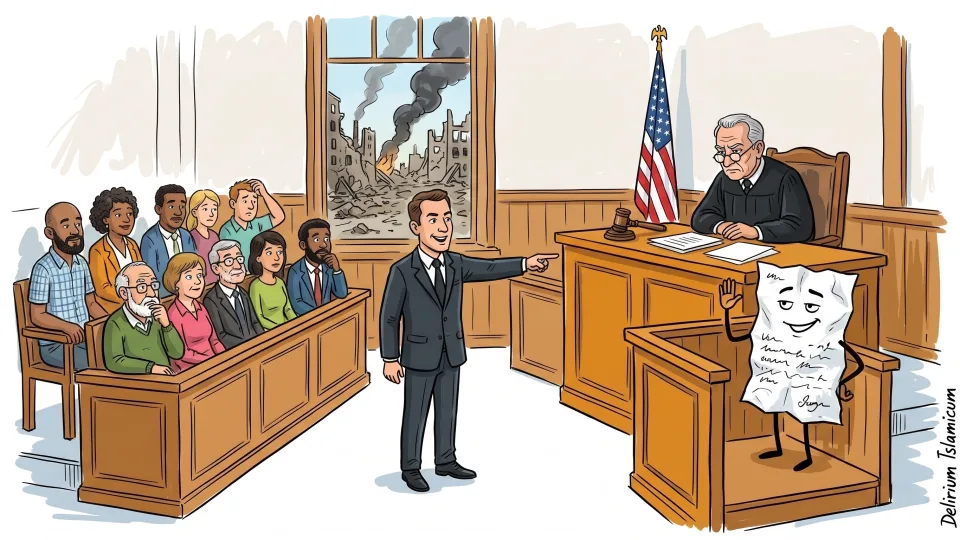
Certified by the Caliphate, Convicted in Brooklyn

Taken into Islamic State territory by her father at 17 and married off to a fighter at 18, a Brooklyn-born woman was convicted on October 27 of receiving weapons training from the group. The key evidence was a handwritten certificate found as a photo on her ex-husband’s phone, which the judge herself called weak. The jury, which had told the judge it was divided, took three days to agree.

Pakistan: Honour Among Heirs

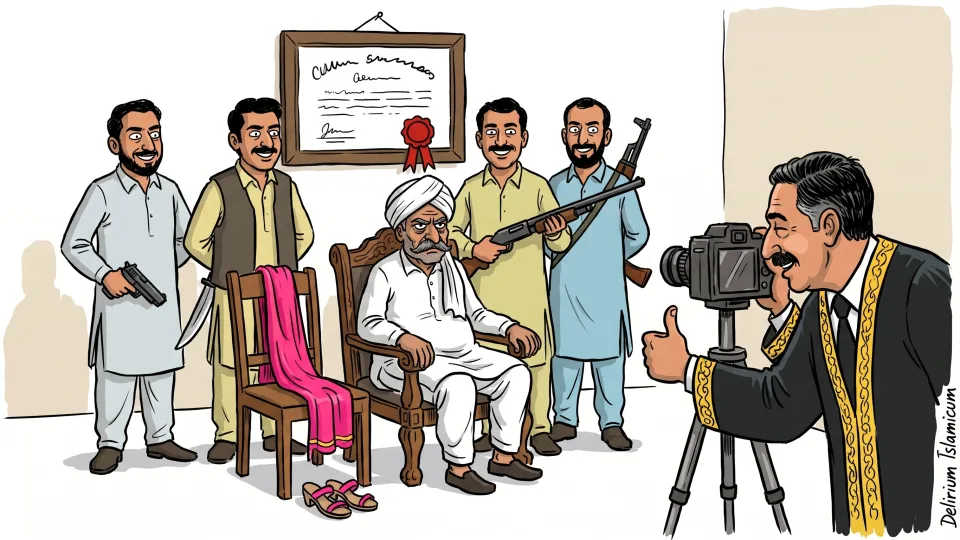
In October, a 13-year-old was shot seven times by her cousin for going out without a veil, a divorced woman was stabbed in her family’s cattle pen, and a couple who had married by choice were gunned down on a bus. Police treated all three as killings in the name of honour, a crime for which Pakistani law has promised at least life imprisonment since 2016.

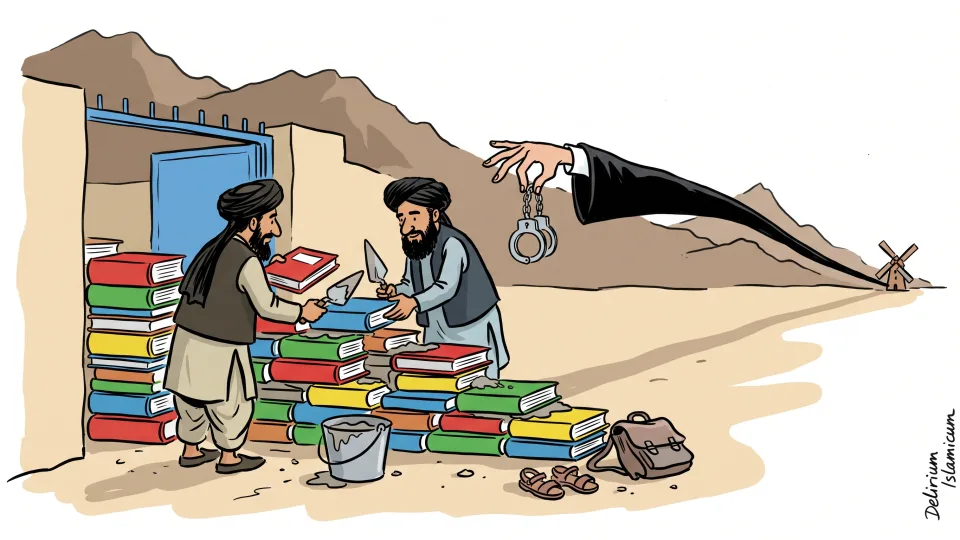
Wanted in The Hague: Afghanistan’s Ministers of No Education

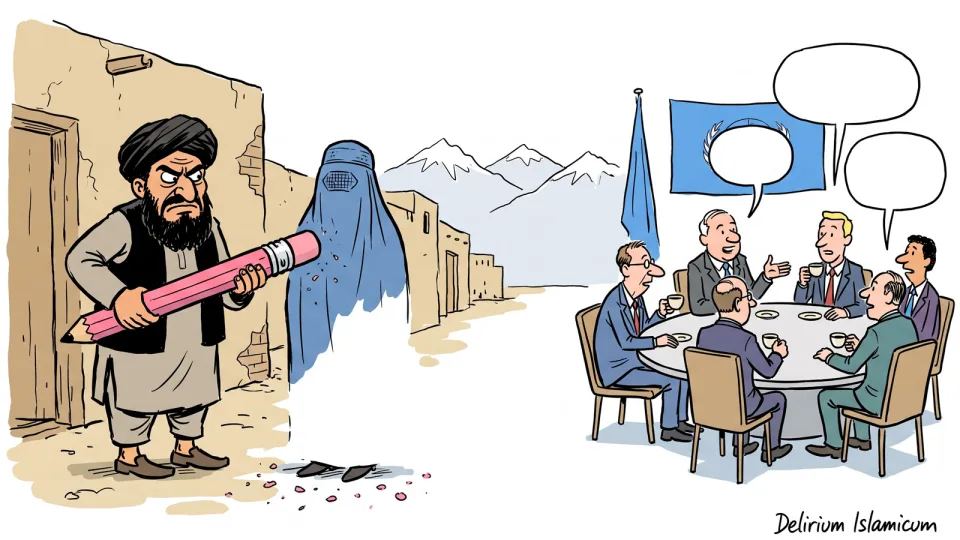
On October 5, the International Criminal Court unsealed arrest warrants against the Taliban’s supreme leader, his chief justice and his two education ministers, accused of persecuting women and girls. The same day, the UN Human Rights Council agreed that their treatment of women should shock humanity. The Taliban replied that only Sharia may judge them, as they interpret it.

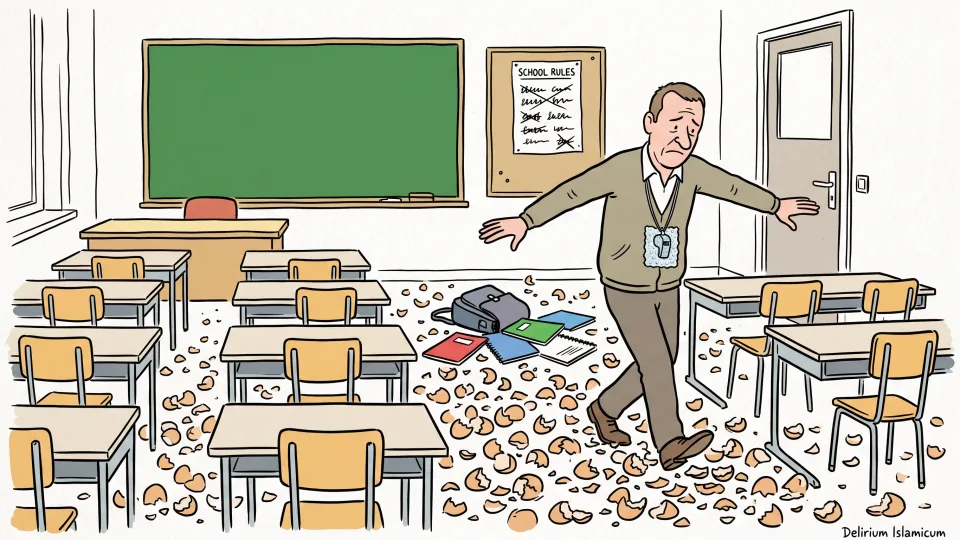
German Teachers Check the Quran Before Stopping a Bully

Some German teachers do not step in when strictly Muslim pupils bully their classmates: unsure what the Quran says, they find the conflict too delicate, a researcher reports. In Berlin, 41% of Muslim ninth-graders rank religious rules above school rules. After an Islamist attack on Pride, the mayor found the cure: Islam classes.

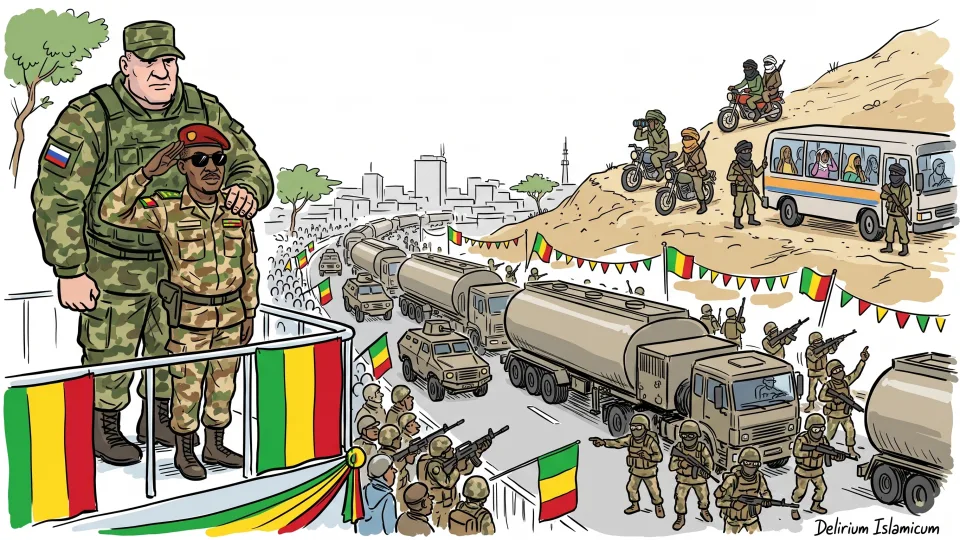
Mali Celebrates Its Independence, Under Military Escort

Sixty-six years after independence, Mali's capital needs an army escort to receive its fuel, its defence minister has been killed in a jihadist offensive, and an Al Qaeda affiliate dictates how women must dress on the buses. The junta, which seized power in 2020 to restore security, says the situation is under control.

Kabul Decrees, Geneva Dialogues

Five years after the Taliban's return, a civil society speaker told the UN Security Council that being a woman in Afghanistan is now a crime. In Geneva, NGOs are pleading with the Human Rights Council to at least keep talking about it: renew the rapporteur, keep the dialogues, launch the investigative mechanism. The rapporteur, for his part, has been banned from the country since 2024.

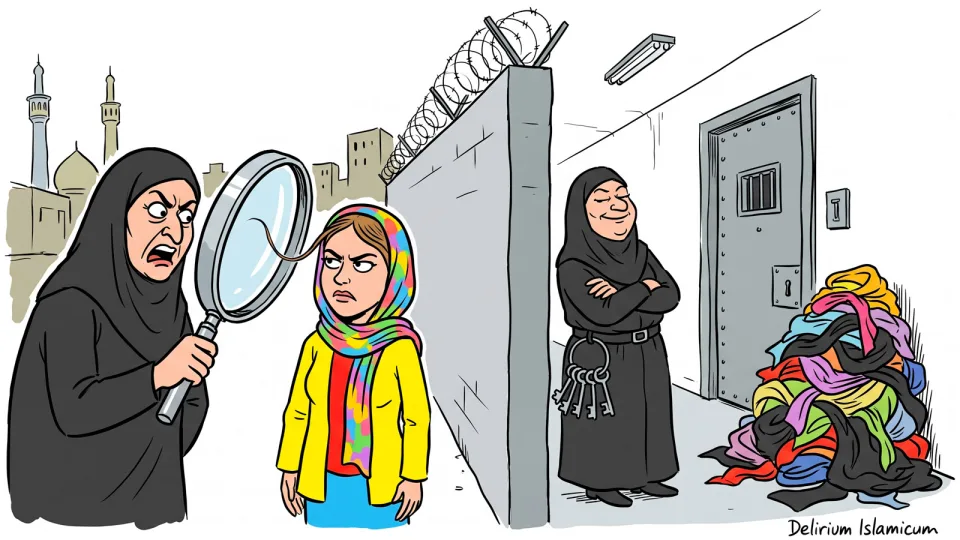
Veiled in the Street, Stripped in Prison

The Islamic Republic will shut a café over an uncovered head and arrest a woman for a loose headscarf. Behind the walls of Tehran's Evin prison, the same state's guards force female political prisoners to undress during searches, according to sources quoted by Iran International. Modesty, it seems, is a rule for women, not for their jailers.

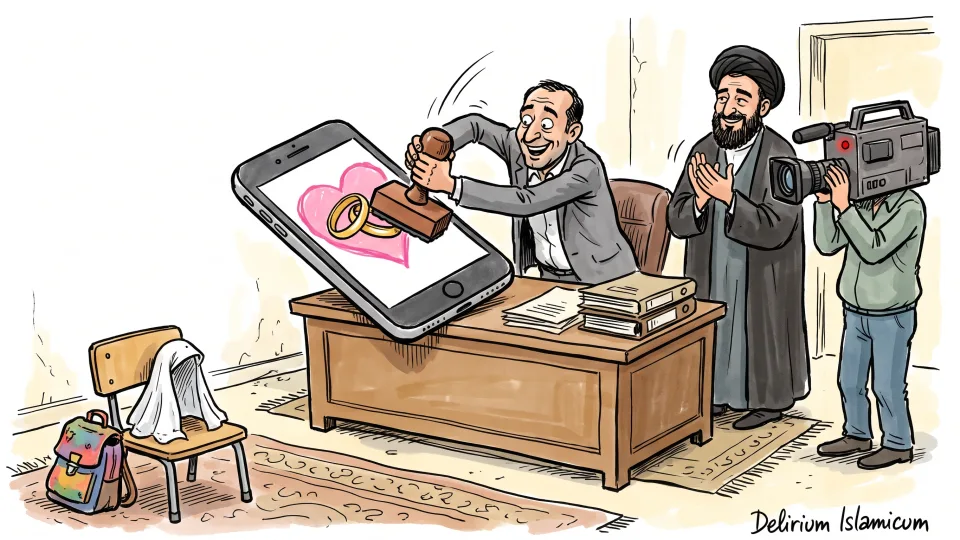
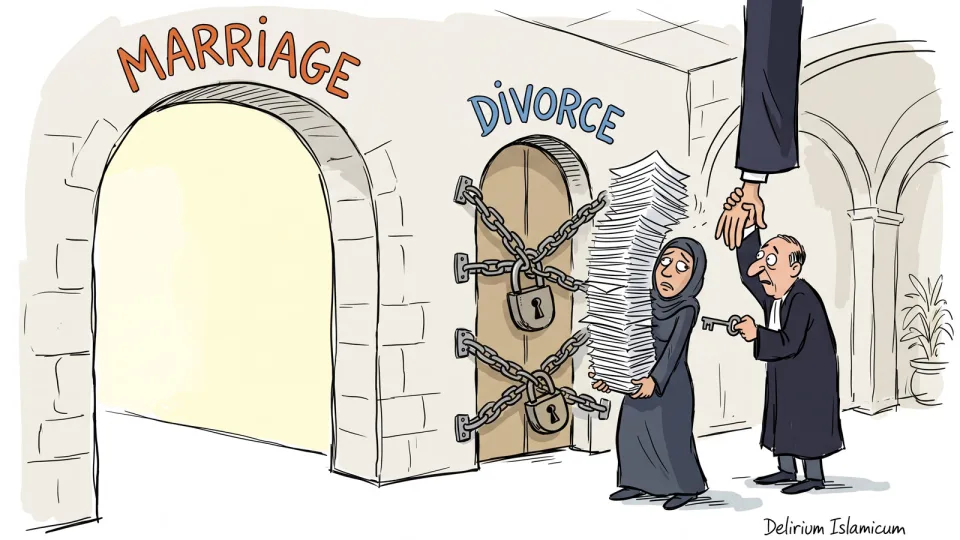
In Iraq, Marrying a Girl Takes Less Paperwork Than Leaving a Husband

Since 2025, Iraqi couples can trade the civil family law for a Shia religious code. It sets marriage at puberty, accepts weddings with no witness and no register, hands children to their fathers at seven, and lets a woman divorce only if she is abandoned, unpaid or repeatedly beaten. Iraqi women fought to make the reform less terrible. Six months later, parliament made it worse.

Advertisement
Pleven Publishing

Newsletter

Get our latest articles

Sign up for the Delirium Islamicum newsletter: our new articles, straight to your inbox.

Our partners