
In Iraq, Marrying a Girl Takes Less Paperwork Than Leaving a Husband
Since 2025, Iraqi couples can trade the civil family law for a Shia religious code. It sets marriage at puberty, accepts weddings with no witness and no register, hands children to their fathers at seven, and lets a woman divorce only if she is abandoned, unpaid or repeatedly beaten. Iraqi women fought to make the reform less terrible. Six months later, parliament made it worse.
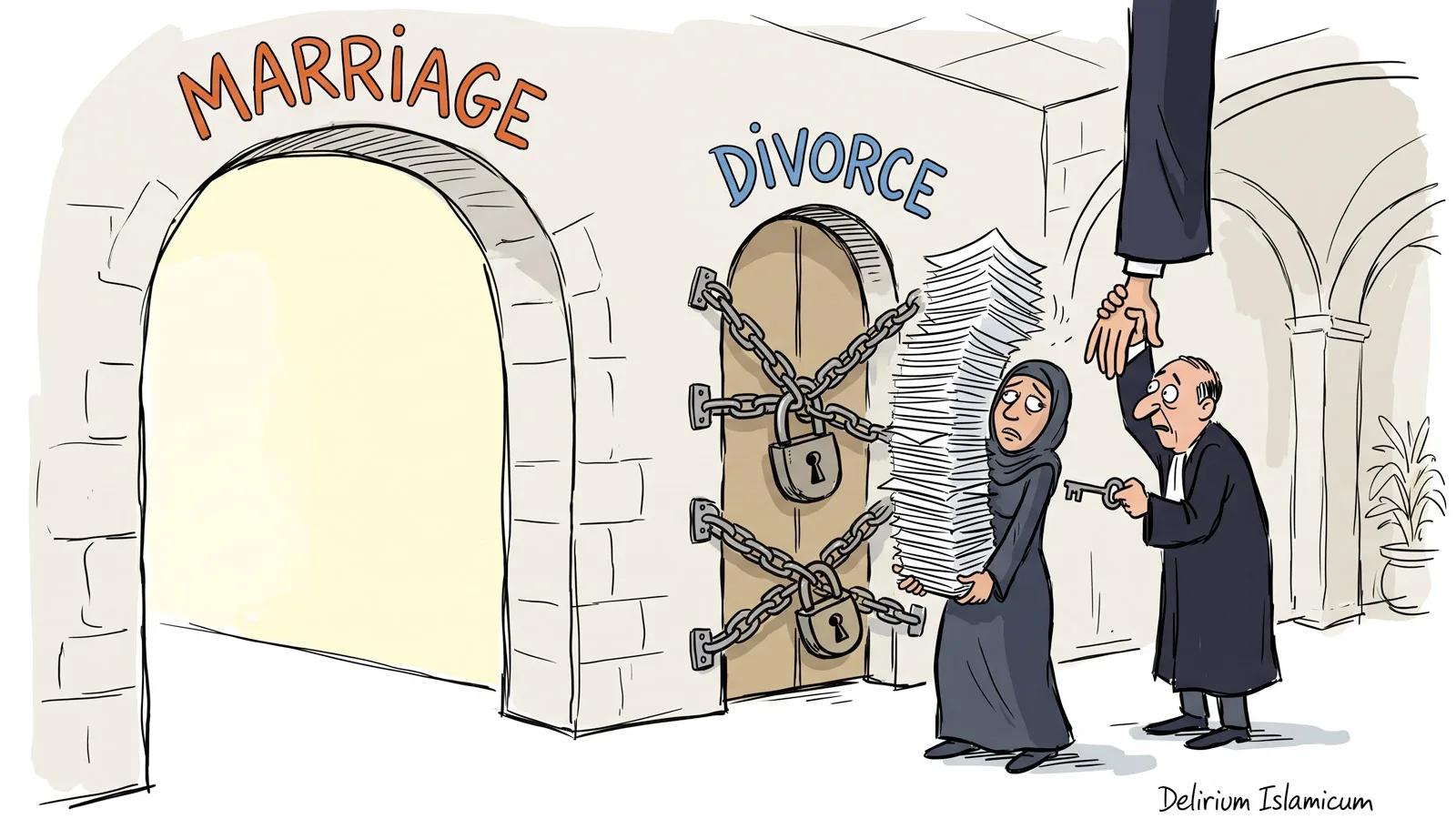
Equality before the law, now in two versions
Iraq's 1959 Personal Status Law set the minimum age of marriage at 18, or 15 with a judge's permission. It also banned religious marriages concluded outside the courts, which never stopped them: in 2021, the UN found that 33.9 percent of Iraqi marriages were unregistered, and that 22 percent of those involved girls under 14. Families married off a daughter before a cleric, then had the union certified once she turned 18 or became pregnant. Faced with a fait accompli, most judges signed.
In January 2025, parliament found an elegant solution to this illegal practice: it legalized it. Couples can now choose between the 1959 law and a Personal Status Code drawn from the Shia Ja'afari school of jurisprudence. Equality before the law now comes in two versions: a Sunni daughter inherits her parents' land, while her Shia neighbour can be denied it. Once made, the choice cannot be changed. Unless one spouse asks a court to apply the new code to a marriage concluded under the old one. Ghazal H., divorced in 2015, found out in September 2025, when her ex-husband sued to strip her of custody of their 10-year-old son.
From terrible to just bad, then worse
When the amendment was first tabled in August 2024, critics feared it would open marriage to girls as young as nine. Women's groups mobilized. In Najaf, protesters barely had time to raise their placards before religious men started shouting threats, while police looked on, recalls activist Sarah Hussein. The campaign still paid off: the final amendment kept the 1959 age limits, taking the law, in the words of Human Rights Watch researcher Sarah Sanbar, "from terrible to just bad."
It lasted six months. On August 27, 2025, parliament approved the code itself, which allows marriage at "puberty", an age that can mean nine or ten. The Federal Court validated the vote four days later. Opposition did not come only from feminists: Sunni clerics largely rejected the amendment as sectarian and likely to encourage underage marriage. In religious courts, the counter-argument is shorter.
"If God allows it, who are you to oppose it?"— A cleric, as recalled by activist Sarah Hussein
Easy to marry, hard to leave
Under the code, a marriage can be concluded orally, with no witnesses, no registration and not even a cleric present. Leaving is another matter. A wife may seek divorce only for abandonment, non-maintenance or repeated physical abuse, and the judge's ruling must be approved by a religious authority, who can overrule it. Psychological, sexual and economic abuse do not count. A single beating, presumably, is a misunderstanding. Custody passes automatically to the father when a child turns seven, or as soon as the mother remarries.
The rest of the legal landscape fits: marital rape is not a crime, the law lets husbands "discipline" their wives, and a mother cannot obtain a passport for herself or her child without a male guardian's approval.
Business is booming
The reform did stimulate one sector. A Sunday Times investigation, cited by Human Rights Watch, found Baghdad videographers, make-up artists and dress sellers reporting a boom, which they attribute to a rise in child-bride clients. Iraq keeps no national database on child marriage, but UNICEF estimates that 28 percent of Iraqi women born between 2001 and 2005 were married before 18. Behind the percentages are schoolgirls. At 11, Sarah Hussein collected the textbooks of a classmate pulled out of school to be married. A few months later, the girl died of pregnancy complications.
The case for the defence
Supporters argue that the 1959 law reflected Sunni doctrine, that Shia Iraqis deserve their own code, and that bringing early marriages into the law gives girls documents, inheritance rights and some protection. A fine argument, except that the code allows marriages with no registration at all, which is precisely what deprives women and girls of the civil papers they need to give birth in a public hospital, register a child, go to school or claim benefits. Meanwhile, neighbouring Kuwait recently raised its minimum marriage age to 18, regardless of sect.
In today's Iraq, a girl can be married with one spoken sentence and no witness. Leaving takes a judge, a cleric's blessing and proof that she was abandoned, left unpaid or beaten more than once. The paperwork, it seems, only starts once the damage is done.
Countries
Read also
Too Young to Marry, Old Enough to Convert
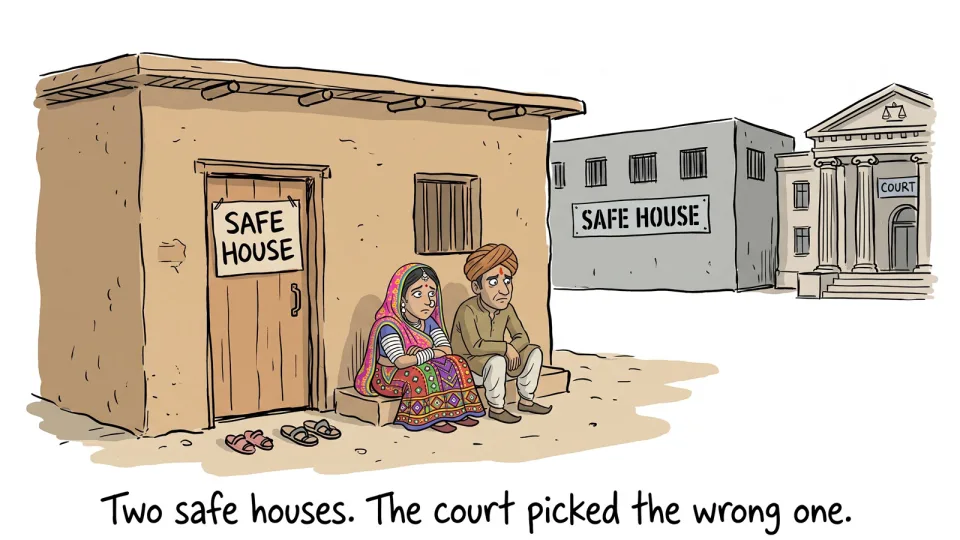
Two Hindu sisters, aged 13 and 14, allegedly abducted, converted to Islam and married off in Pakistan's Sindh province, begged a court to let them go home. The court sent them to a safe house. In Sindh, marrying a child is a crime. Converting one, as clerics keep reminding lawmakers, has no age limit.
Your Death Sentence Is Important to Us. Please Hold.
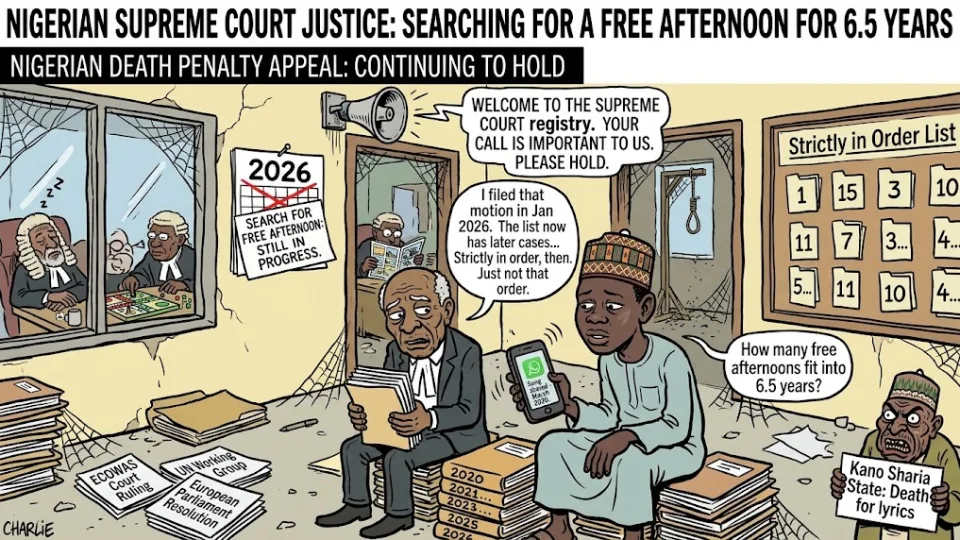
Six and a half years after sharing a song on WhatsApp, a young Nigerian musician is still waiting for his country's Supreme Court to find a slot on its calendar.
Iran Seizes the Rings, the Toys and the Complaints
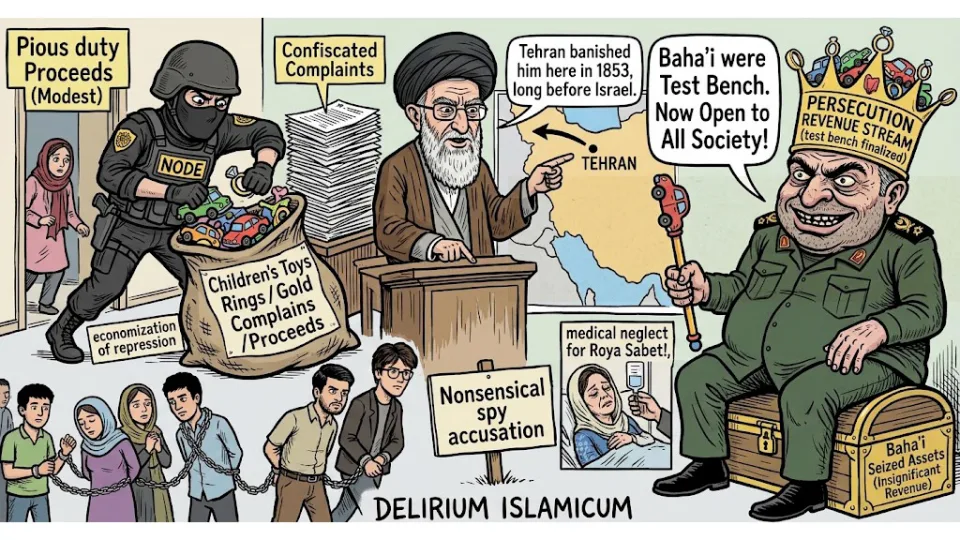
Sixty-nine Baha'is behind bars, homes raided from Shiraz to Yazd, a woman sentenced to more than five years for offending Islam's sacred law, and security agents walking off with wedding rings and children's toys. In the Islamic Republic, persecuting a religious minority has become both a pious duty and a revenue stream. A modest one, economists say. It's the principle that counts.