
Turkey Protects the Family, One Gay Bar Raid at a Time
In the name of the family, Turkish police have raided gay bars, LGBTQ+ associations and homes in 15 provinces, arresting activists, journalists, the founders of an HIV charity and a dancer, and blocking Amnesty International's account along the way. Protesters were arrested too. Homosexuality is legal in Turkey. Being visible, apparently, is not.

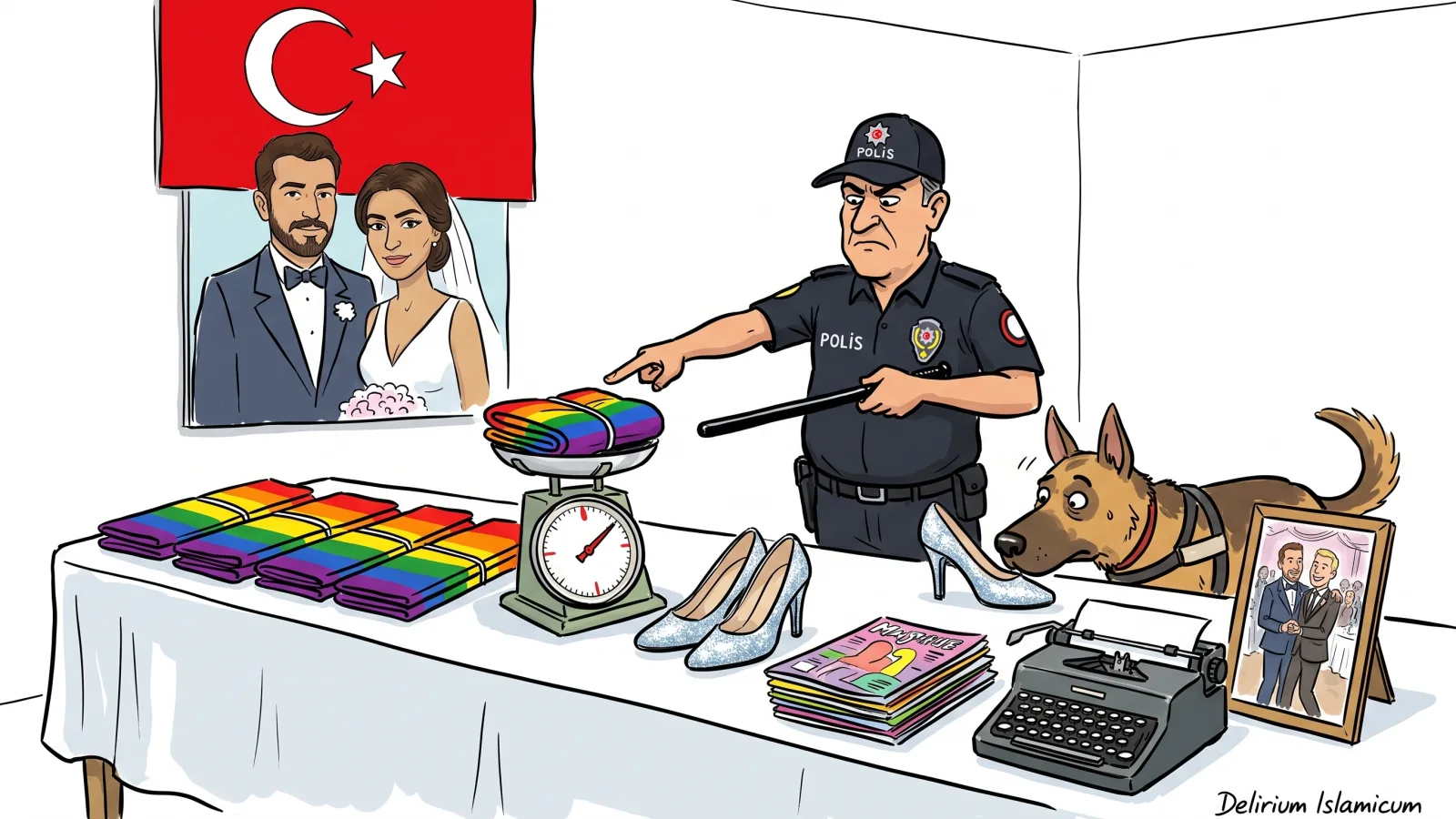
Operation "My Family Is Safe"
It began early on Sunday, September 13. In Istanbul, Ankara and other cities, police detained more than 60 people at home and raided gay bars and the offices of LGBTQ+ associations. Justice Minister Akin Gurlek named the operation "My Family Is Safe": 162 suspects, nine associations and 13 businesses across 15 provinces, accused of prostitution and of producing and spreading "obscene content", including to minors. He says searches turned up drugs and signs of foreign funding. By Tuesday, courts had jailed at least 31 people pending trial, including five transgender women in Ankara, after 18 others were jailed in Izmir the day before. Kaos GL, the country's best-known LGBTQ+ organisation, accounts for 21 arrests on its own, according to Ankara's chief prosecutor.
Obscene by existing
The list of threats to the Turkish family is instructive. A women's rights activist. Journalist Tugba Tekerek, detained over a single article about LGBTQ+ people in Georgia. Two founders of an association supporting people with HIV. Kaos GL members, whose lawyer says police questioned them about photos of kissing couples illustrating the group's articles. And Arif Sacli, a dancer from Izmir, acquitted of obscenity earlier this year, re-arrested and now charged with obscenity and prostitution. The singer Mabel Matiz is on his second obscenity case of the year, this time over a video of a groom dancing with another man at a wedding.
"The very existence of LGBTQ people and their visibility is an obscene thing."— Yildiz Tar, editor of Kaos GL's news portal, describing the government's message
According to Tar, half of those arrested are journalists and activists; the other half are ordinary people picked up in bars, cafés or their own homes.
Protesters, too
On Tuesday, police detained between 126 and 150 protesters in Istanbul and Ankara, depending on the count, as they chanted that life goes on in defiance of hate. Meanwhile, at the government's request, X blocked the accounts of Amnesty International Turkey, the daily Evrensel, Academics for Peace and a media-law association, along with those of Kaos GL, a human rights lawyer and a women's rights group. The family, it turns out, also needed protecting from Amnesty International.
A decade of the family
Homosexuality has been legal on this land since the Ottoman Empire decriminalised it in 1858. The Republic is working on catching up: Pride marches are banned, President Recep Tayyip Erdogan has likened LGBTQ+ people to a spreading plague, and the justice ministry has been preparing since 2025 a bill that would jail anyone promoting behaviour contrary to biological sex and public morality for one to three years. In 2020, the head of the state's religious authority, the Diyanet, declared in a Friday sermon that homosexuality brings disease, and Erdogan defended him. This year opens Erdogan's "Decade of Family and Population", in which women are encouraged to have at least three children.
In 2021, Turkey also left the Council of Europe convention against violence toward women, accusing it of normalising homosexuality. Yildiz Tar points out that the real threats to the family are poverty and femicide. Critics add a political motive: the LGBTQ+ community is a visible part of the opposition to Erdogan.
"Their very identity is really being criminalized here."— Emma Sinclair-Webb, Turkey researcher at Human Rights Watch
The Council of Europe's human rights commissioner, Michael O'Flaherty, reminded Ankara that invoking family values or child protection cannot by itself justify restricting rights, and called for the release of those detained for their human rights work.
In Erdogan's Turkey, the family is safe. Its sons and daughters who dance, write, kiss or protest, much less so.
Countries
Keywords
Read also
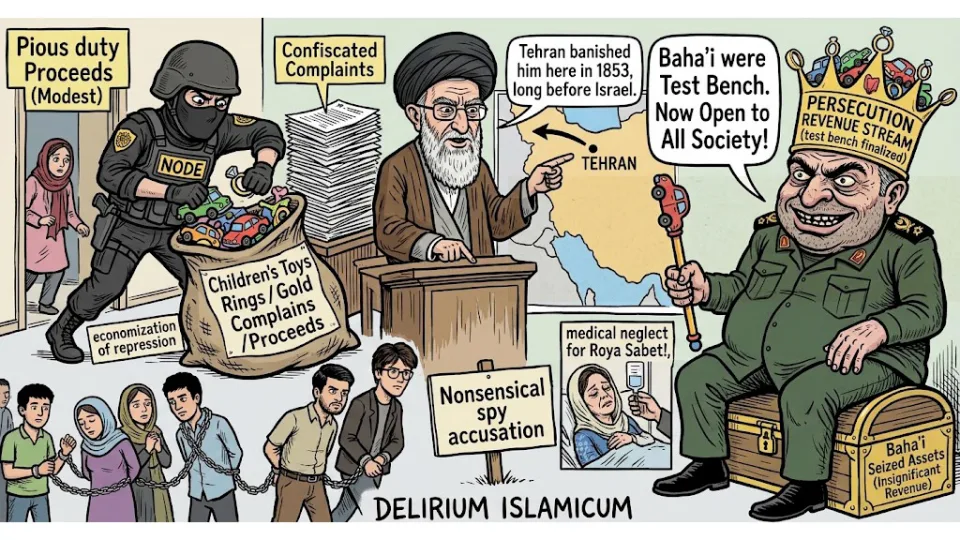
Iran Seizes the Rings, the Toys and the Complaints
Sixty-nine Baha'is behind bars, homes raided from Shiraz to Yazd, a woman sentenced to more than five years for offending Islam's sacred law, and security agents walking off with wedding rings and children's toys. In the Islamic Republic, persecuting a religious minority has become both a pious duty and a revenue stream. A modest one, economists say. It's the principle that counts.
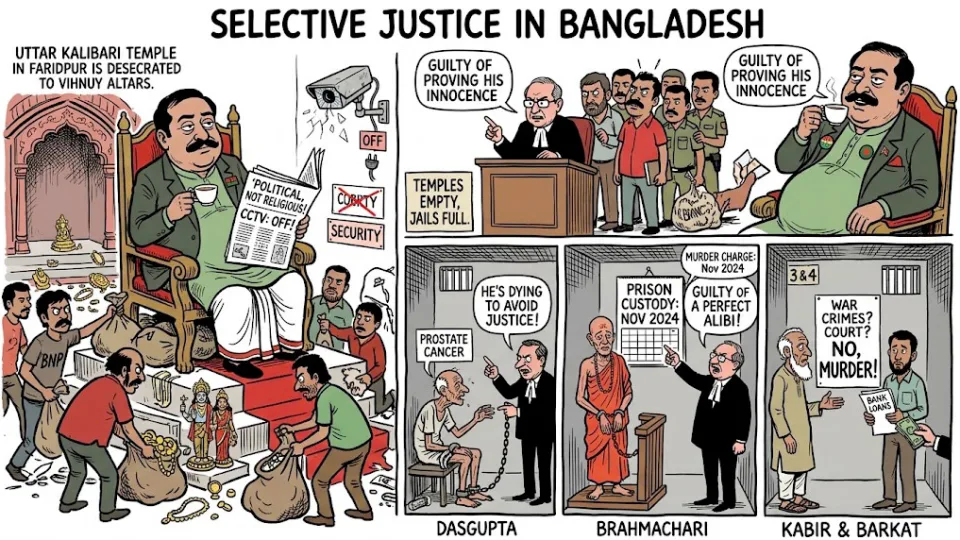
Idols Stolen, Advocates Jailed, Cameras Off
In Faridpur, thieves made off with a Kali idol and its gold while the temple's cameras were out of order. In Kolkata, Indian rights groups counted more than a hundred minority members killed in Bangladesh since early 2025 and four of their defenders jailed or hounded. Dhaka has changed governments. Its Hindus are still waiting for the change.
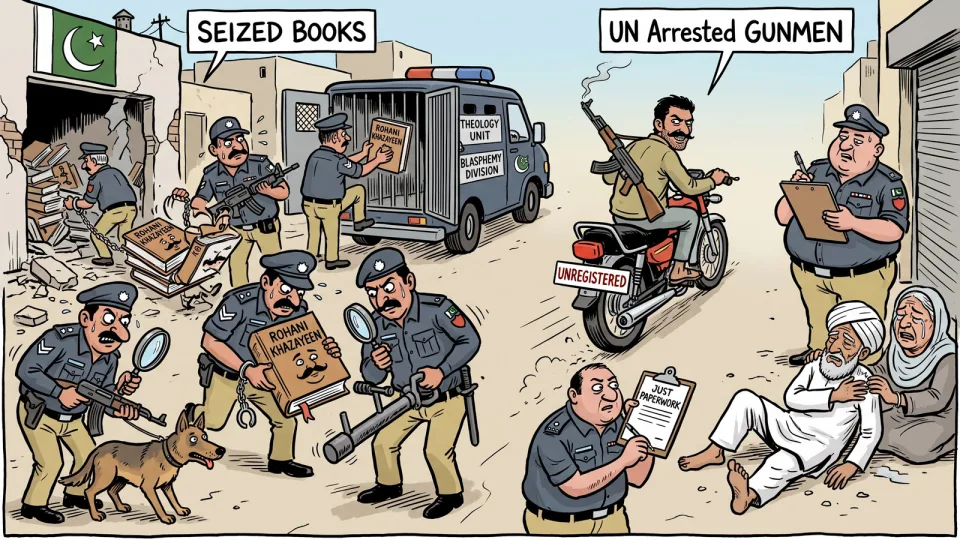
Pakistan Seizes the Books, Not the Gunmen
In September alone, one Ahmadi was shot dead and two others were wounded in Pakistan's Punjab province, with no arrests reported. Meanwhile, the country's Federal Constitutional Court found the time to uphold a ban on the community's sacred texts. Priorities.