
Syria: Christians Attacked by a Mob, Then Summoned by the Police
On October 3, a mob from a neighbouring Sunni town raided Suqaylabiyah, a Christian town in central Syria, once again. The security forces then summoned sixteen of its young men for questioning. The same week, at least ten Alawites were killed in two separate shootings. In the new Syria, justice is even-handed: it also takes an interest in the victims.

A quarrel among young men, with gunfire
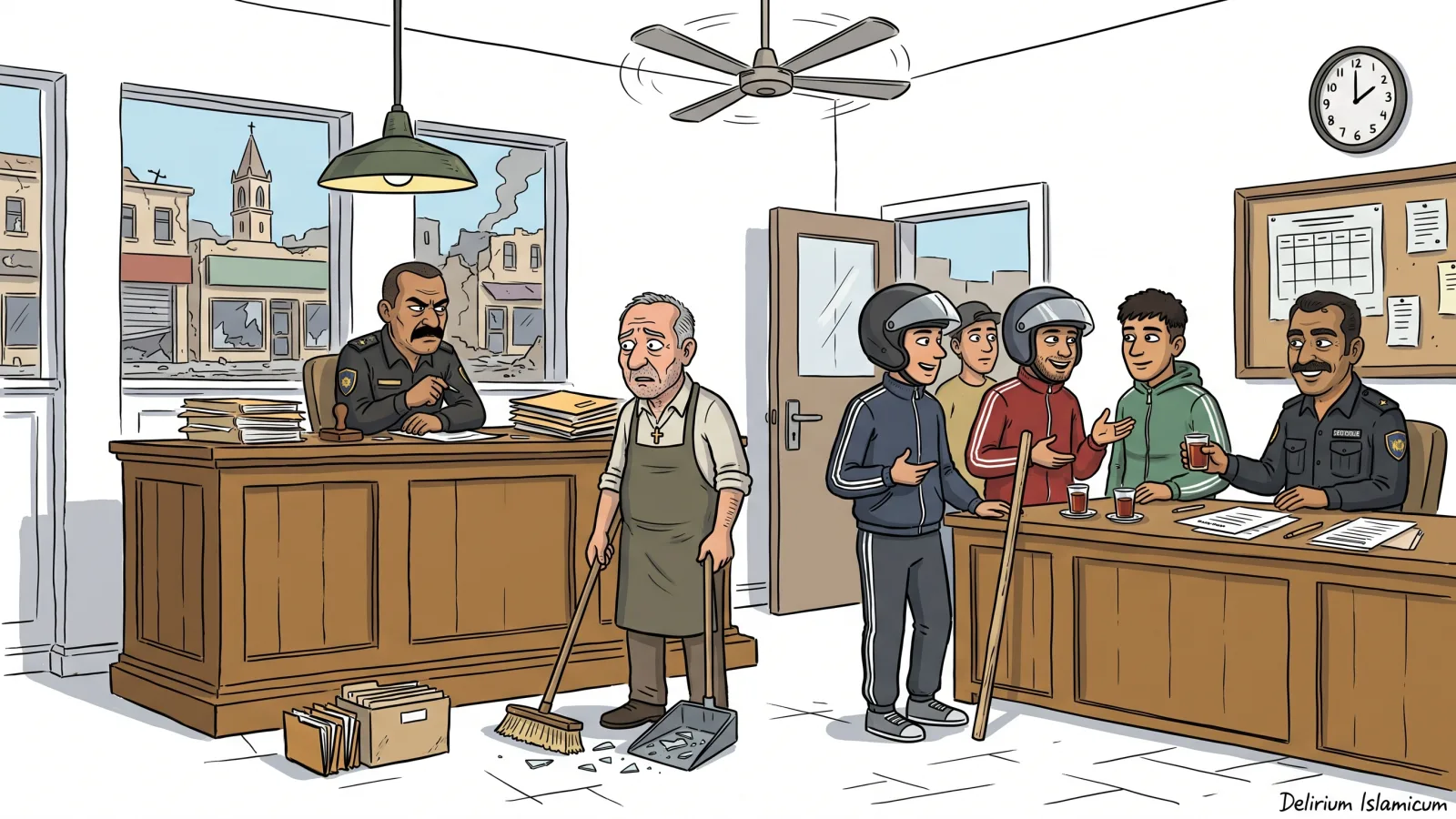
On October 3, two young men from Qalaat al-Madiq, a Sunni town four kilometres away, tried to intimidate a shopkeeper in Suqaylabiyah, a mostly Greek Orthodox town near Hama. They were beaten up, went home and came back at night with a mob, according to Christian Solidarity Worldwide (CSW). Houses and shops were looted, shots were fired at random, and an Alawite woman was slightly injured.
State media reported a quarrel among young men that ended in an attack on a shop, in the singular. The Hama governorate blamed "systematic incitement among the components of the Syrian people", without saying which component had brought the guns. The Ghab district director promised a legal process "without generalizations". Saying who attacked whom would apparently be one.
"Syrian Christians are not seeking chaos or revenge."— Father Fadi Sankari, Orthodox priest of Suqaylabiyah, on Facebook
Equal before the law, especially the victims
The security forces arrested people in both towns, including two Christians, released on October 5, who had been held over later scuffles with suspected attackers. Above all, residents say, they confined the people of Suqaylabiyah to their homes instead of chasing the raiders. Sixteen young Christian men were then summoned for questioning, according to SyriacPress, and some of the town's detainees were taken to a security centre in Qalaat al-Madiq, following complaints from residents there. Some of the complainants had reportedly taken part in the raid. Home advantage. On October 13, their fate was still unknown.
Reconciliation, Syrian style
The town knows the routine. In December 2024, two weeks after Assad's fall, hooded fighters set its Christmas tree on fire. The new rulers blamed foreigners and promised a quick fix.
"The tree will be restored and lit up by tomorrow morning."— A Hayat Tahrir al-Sham religious leader, December 2024
On March 27, 2026, after young women were allegedly harassed, dozens of men drove past the checkpoints unhindered, looted shops and fired at cafés and at a statue of the Virgin Mary, according to the rights group Syrians for Truth and Justice (STJ). One witness says a patrol answered his call for help with "Get lost", then accompanied the attackers. The churches cancelled public Easter celebrations. The reconciliation deed signed on April 11, under the aegis of the Ghab district, provided for a damage assessment committee and the dropping of legal claims. By May, STJ found, no victim had been compensated.
Open Doors now ranks Syria sixth among the countries where Christians are most persecuted, up from eighteenth a year earlier.
Identity checks, under new management
The Alawites, Assad's community, fare worse. Late on September 30, gunmen posing as security forces stopped a minibus taking workers home near the Masyaf bridge, in the Homs countryside, checked their identities and opened fire, according to the Syrian Observatory for Human Rights. At least seven people were killed, all Alawites according to the Observatory. Identity checks have survived the fall of the regime: only the checkers have changed. Homs's internal security commander swore the crime "will not go unpunished". On October 4, three young Alawite men were shot dead near Tartus. The coastal massacres of March 2025, in which a government committee counted 1,426 Alawite dead, got their first verdicts eighteen months later.
Suqaylabiyah had about 20,000 inhabitants when Assad fell. It has about 16,000 left, according to The National. At this pace, the authorities will soon be able to announce that calm has returned for good.
Verses and hadiths related to this article
Sources
Countries
Keywords

Read also
Pakistan: No Ahmadi May Pose as a Muslim, Even Six Feet Under
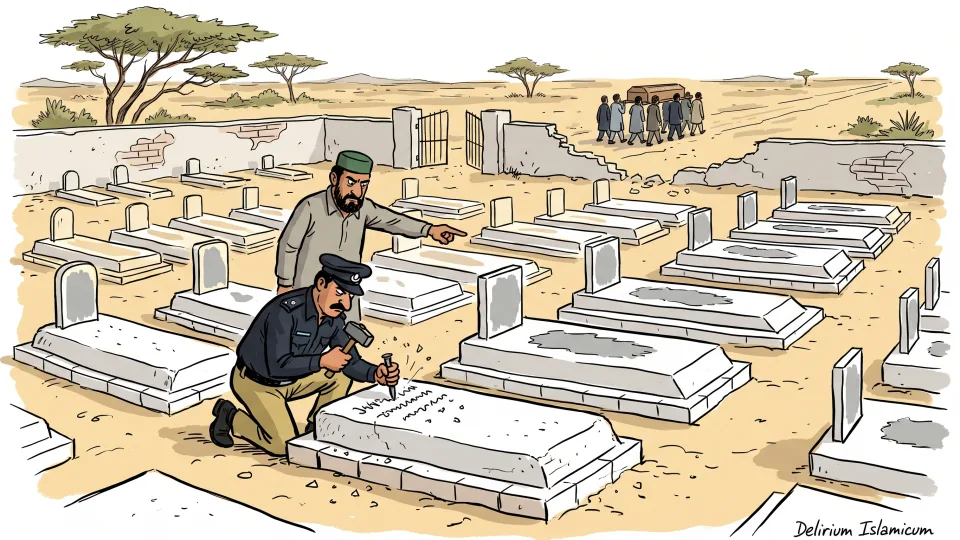
In September 2025, hardliners in a Pakistani village blocked the burial of an Ahmadi woman in the cemetery granted to her community in 1947, and the police booked some 30 Ahmadis. Pakistan’s own human rights commission has since documented police smashing Ahmadi tombstones. A year later, UN experts blame official complicity.
Bangladesh Guards Durga Puja Around the Clock, Except at Night
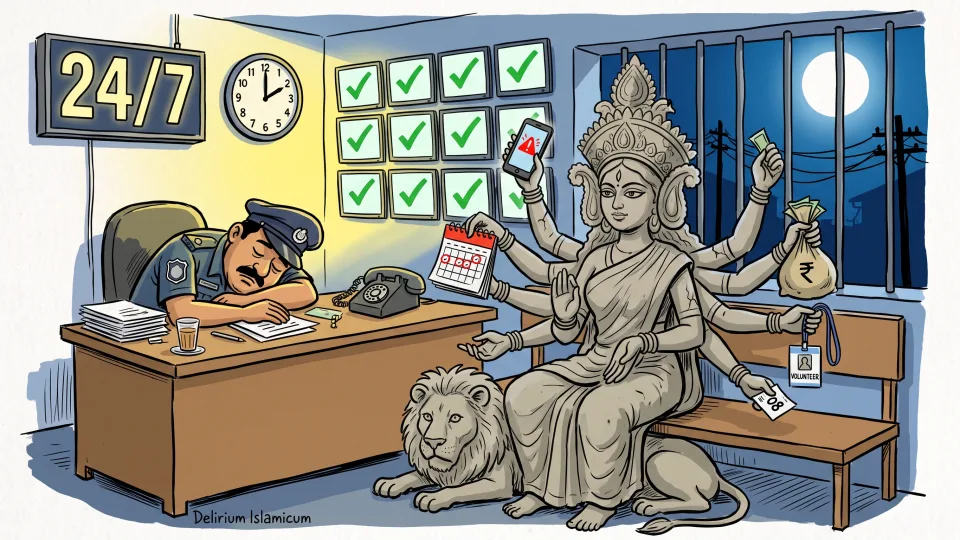
On September 30, Bangladesh’s home minister unveiled his security plan for Durga Puja: round-the-clock monitoring cells, an app, ID cards for volunteers, and intelligence that had flagged no venue as high-risk. That same night, in Tangail, seven idols being prepared for the festival were vandalized, the goddess Durga included. Eight nights later, in Kushtia, four more lost their heads.

In Egypt, Belief Is Free. Changing It Is Terrorism.
Egypt’s constitution says freedom of belief is absolute. Said Abdelrazek, a convert from Islam to Christianity, has been detained since July 2025 and is on trial before a terrorism court. The country’s highest Islamic authority explained the nuance years ago, on television.


Comments
No comments yet