
Caliphate Closed, Says Trump. Dresden Man Accused of Trying to Join
The last American troops left Iraq on September 30, a departure Donald Trump hailed as the end of the caliphate. Two days later, special forces arrested a 37-year-old man in Dresden, accused of trying to join the Islamic State and of preparing a terrorist offence. The population, prosecutors assure, was never in concrete danger.


Closing time in Iraq
On September 30, the last American soldiers left Iraq and the US military formally ended its mission against the Islamic State there. Donald Trump hailed a victory.
"There is no longer a caliphate, so we are going home."— Donald Trump, on the departure of the last US troops from Iraq
The next day, in Washington, Iraq's foreign minister Fuad Hussein said Baghdad was worried about Islamic State activity in Syria and was readying its border forces in case fighters cross over. Four days earlier, Syria had announced the dismantling of an Islamic State cell active in four of its provinces. The caliphate lost its last village in 2019. Its admirers, it seems, did not all get the memo.
Meanwhile, in Dresden
On October 2, two days after the caliphate's official closure, special forces arrested a 37-year-old man in his Dresden apartment. Saxony's general prosecutor accuses him of attempted membership in a terrorist organization abroad, namely the Islamic State, and of preparing a terrorist offence. Under German law, failing to join a terrorist group is a crime, provided one tried. His nationality, the prosecutors say, has yet to be established. He is in pretrial detention, on a warrant from the Higher Regional Court in Dresden.
That same Friday, police searched a house in Schwarzheide, in Brandenburg, and three properties in Berlin. The people targeted are not suspects. Officers carried away technical equipment, documents and bladed weapons. How these third parties are linked to the suspect, the prosecutors would not say, citing the ongoing investigation.
Danger: never concrete
"At no point was there a concrete danger to the population."— Patrick Pintaske, spokesman for Saxony's general prosecutor
Special forces in three states, bladed weapons in the evidence bags, a terrorism charge: none of it, officially, ever amounted to a concrete danger. Saxony has had practice with reassurance this year.
Paid monthly, allegedly
Since March, Saxony's prosecutors have had five Iraqi men arrested in Plauen, Chemnitz, Leipzig, Dresden and Königstein. All are accused of having fought for the Islamic State between 2014 and 2017, the years it massacred Yazidis, Christians and Muslims who refused its rule. According to the prosecutors, they were on the caliphate's payroll, most of them paid monthly. In Königstein, a town of about 2,100 people, a café employee could hardly believe that Islamic State fighters had turned up in such a little place. The mayor had the official line ready.
"No one needs to be afraid."— Tobias Kummer, mayor of Königstein, after an arrest in his town in August
The caliphate is closed, Washington says. In Saxony, it still has alleged former staff, an alleged applicant and a very busy prosecutor.
Sources
Countries
Keywords
Read also
From Caliphate to Pylons: ISIS's Downsized Jihad
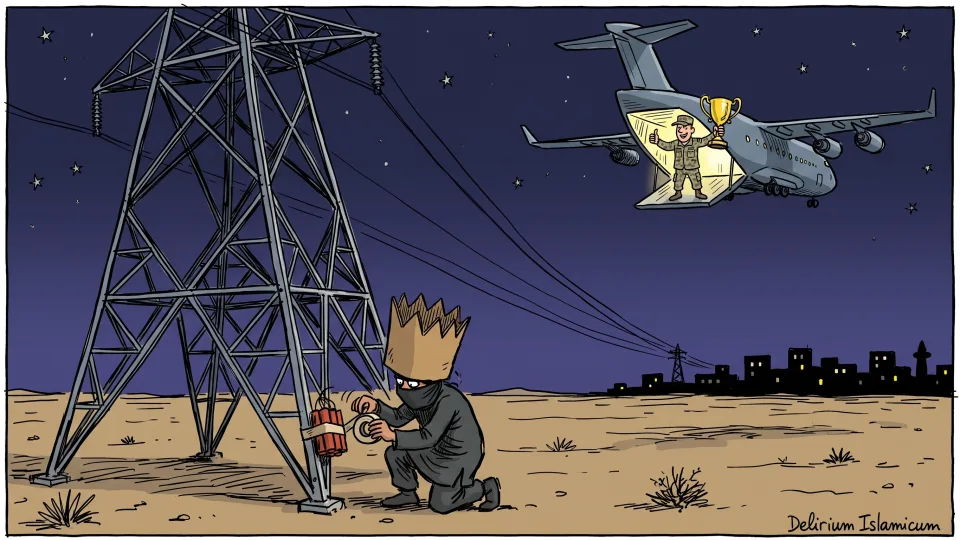
In 2014, ISIS proclaimed a caliphate from Mosul. On September 18, 2026, suspected ISIS militants blew up a power pylon in Iraq's western desert, and security forces reached the site eight hours later. Twelve days on, Washington formally ended the mission that, it says, defeated ISIS in Iraq.
Mali Celebrates Its Independence, Under Military Escort
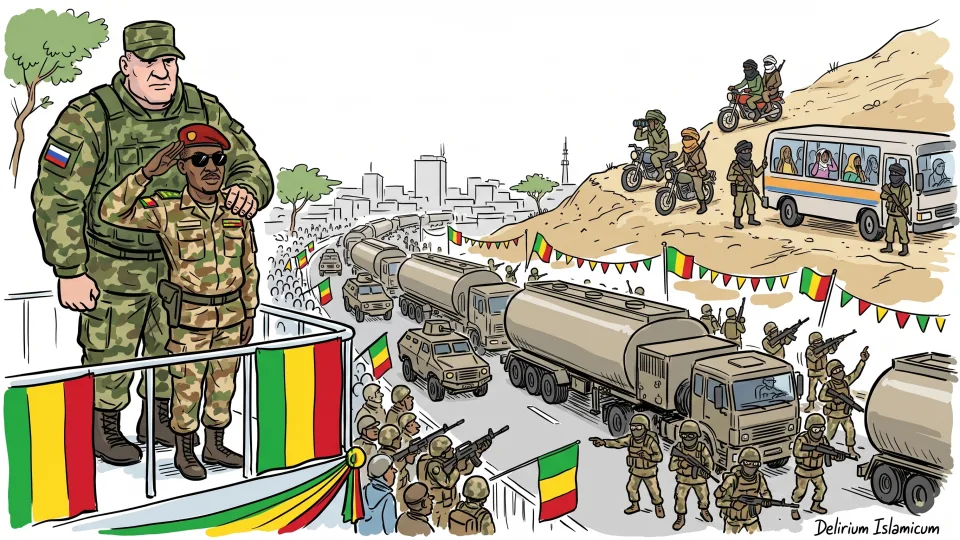
Sixty-six years after independence, Mali's capital needs an army escort to receive its fuel, its defence minister has been killed in a jihadist offensive, and an Al Qaeda affiliate dictates how women must dress on the buses. The junta, which seized power in 2020 to restore security, says the situation is under control.

Shh, There's a Ceasefire
Since June, Abuja has reportedly been observing a secret truce with Boko Haram, sealed after an alleged five-billion-naira payment that the government denies making. In Adamawa, gunmen described as Boko Haram fighters spent seven hours killing twelve villagers and abducting a ten-year-old girl. Soldiers arrived twenty hours later. Discretion, at least, was assured.