
From Caliphate to Pylons: ISIS's Downsized Jihad
In 2014, ISIS proclaimed a caliphate from Mosul. On September 18, 2026, suspected ISIS militants blew up a power pylon in Iraq's western desert, and security forces reached the site eight hours later. Twelve days on, Washington formally ended the mission that, it says, defeated ISIS in Iraq.

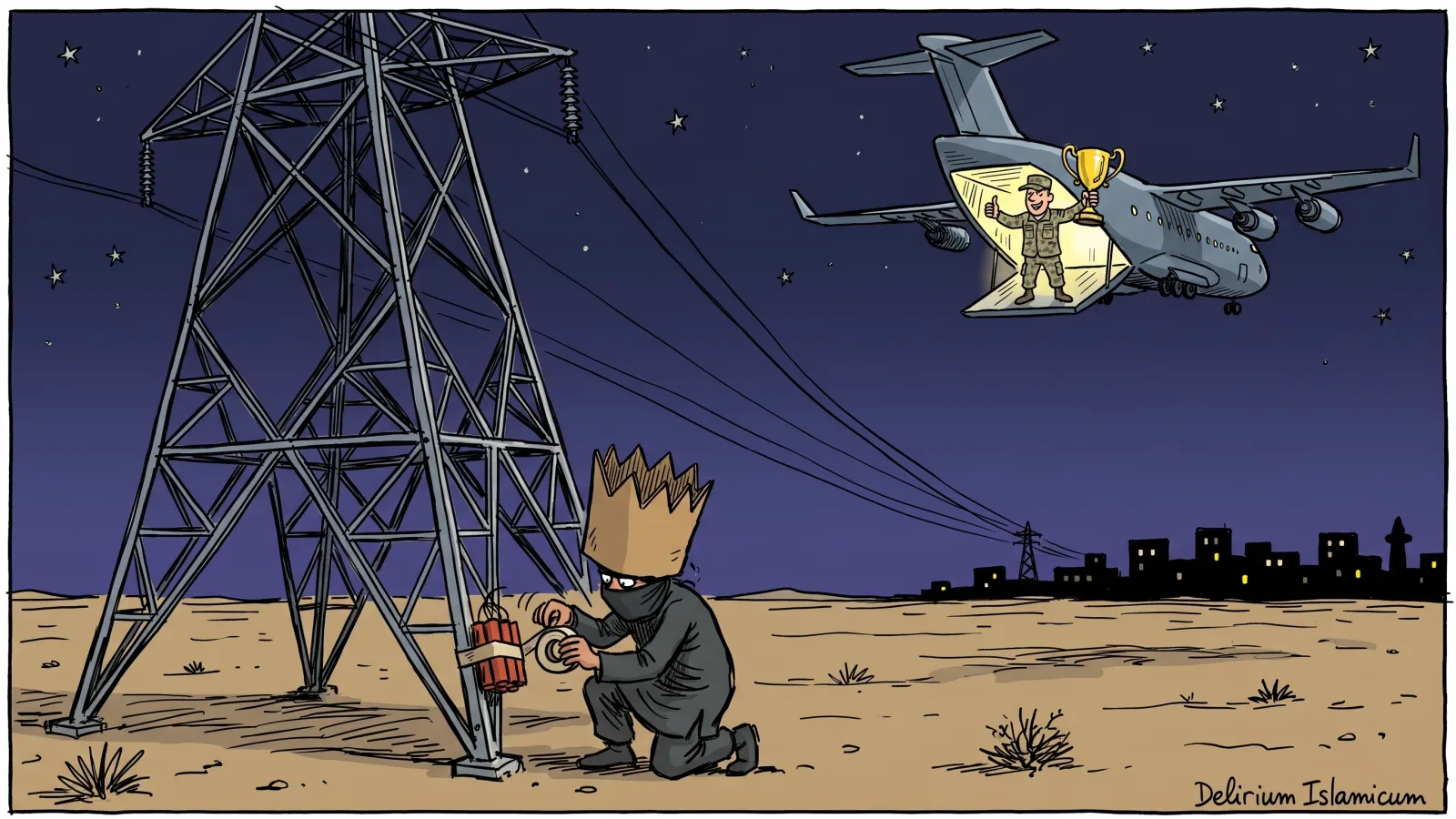
A downsized jihad
In 2014, ISIS seized nearly a third of Iraq and proclaimed its caliphate. Twelve years later, the ambition fits on a pylon. At 9 p.m. on Friday, September 18, militants planted explosives on a power transmission tower on the Baiji-Haditha line, in a remote corner of Anbar's desert, and put it out of service. That same day, security forces stopped another group before it reached a second tower in the same corridor; after an exchange of fire, the attackers vanished into the desert. Security forces reached the damaged tower at 5 a.m., eight hours after the blast, and on Saturday launched a sweep of the desert between Baiji and Haditha. A movement that always preferred darkness to enlightenment has found a literal way to impose it.
Why pylons
The choice is not new. In 2018, the line between Kirkuk and Diyala was hit eight times in two months. In 2021, 27 towers were sabotaged in a single week across Nineveh, Kirkuk and Saladin, and attacks on the grid contributed to blackouts that left millions without power during a heatwave. The Pentagon's explanation still holds: for ISIS, infrastructure is a soft target, cheap in men and explosives, whose outages attract attention and undermine the government. In a country where chronic power cuts already exhaust the patience of a population sitting on some of the world's largest oil reserves, every felled pylon is a message: we are still here.
Those who pay the price are the residents of Anbar and Saladin, overwhelmingly Sunni Muslims, in whose name the caliphate once claimed to fight.
Mission accomplished, again
Iraq declared victory over ISIS in December 2017. On September 30, 2026, twelve days after the Anbar attack, the United States declared it once more: with the departure of the last coalition troops from Erbil, Washington formally ended Operation Inherent Resolve.
"The successful conclusion of the military mission that defeated ISIS in Iraq."— Sean Parnell, Pentagon spokesman, September 30, 2026
Prime Minister Ali al-Zaidi hailed a new phase centred on Iraqi sovereignty, and the government hopes the departure will deprive Iran-backed militias of their favourite excuse for keeping their weapons. Iraqi forces now lead the fight against the remaining cells, with US support reduced to intelligence and training, in a desert large enough to hide them and long enough to string power lines across.
Defeated in 2017, defeated again in 2026: ISIS may be the most frequently defeated organisation on earth. It still knows where the pylons are.
Countries
Keywords
Read also
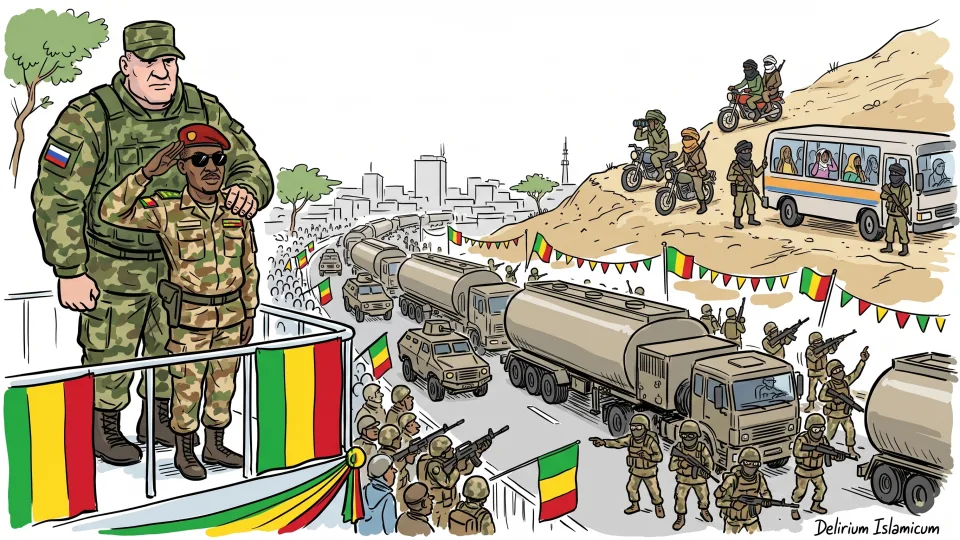
Mali Celebrates Its Independence, Under Military Escort
Sixty-six years after independence, Mali's capital needs an army escort to receive its fuel, its defence minister has been killed in a jihadist offensive, and an Al Qaeda affiliate dictates how women must dress on the buses. The junta, which seized power in 2020 to restore security, says the situation is under control.
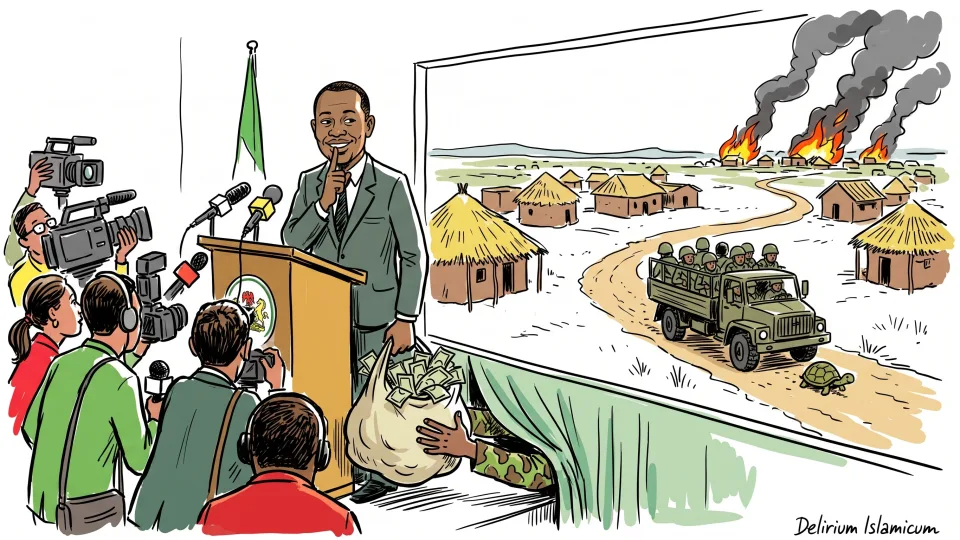
Shh, There's a Ceasefire
Since June, Abuja has reportedly been observing a secret truce with Boko Haram, sealed after an alleged five-billion-naira payment that the government denies making. In Adamawa, gunmen described as Boko Haram fighters spent seven hours killing twelve villagers and abducting a ten-year-old girl. Soldiers arrived twenty hours later. Discretion, at least, was assured.
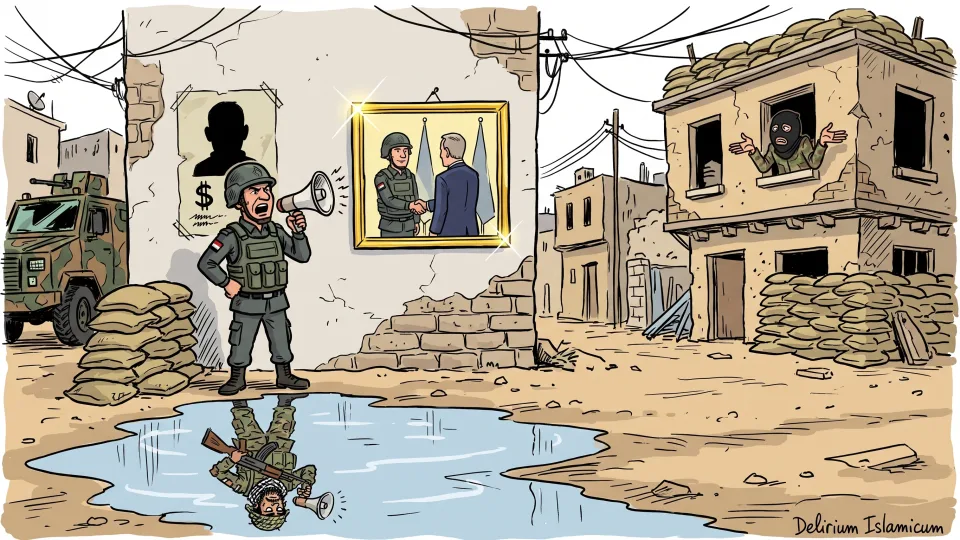
In Daraa, Ex-Jihadists Besiege Jihadists
Three Syrian security officers were killed on September 17 in Daraa, cradle of the 2011 uprising, during a raid on an ISIS cell. The forces hunting the jihadists answer to a president who once led Al-Qaeda's Syrian branch and had a $10 million American bounty on his head. Syria's war on terror has an unusual résumé.